Super-automatic espresso machines are worth it for a household that drinks milky coffee every day, and a bad trade for almost everyone else
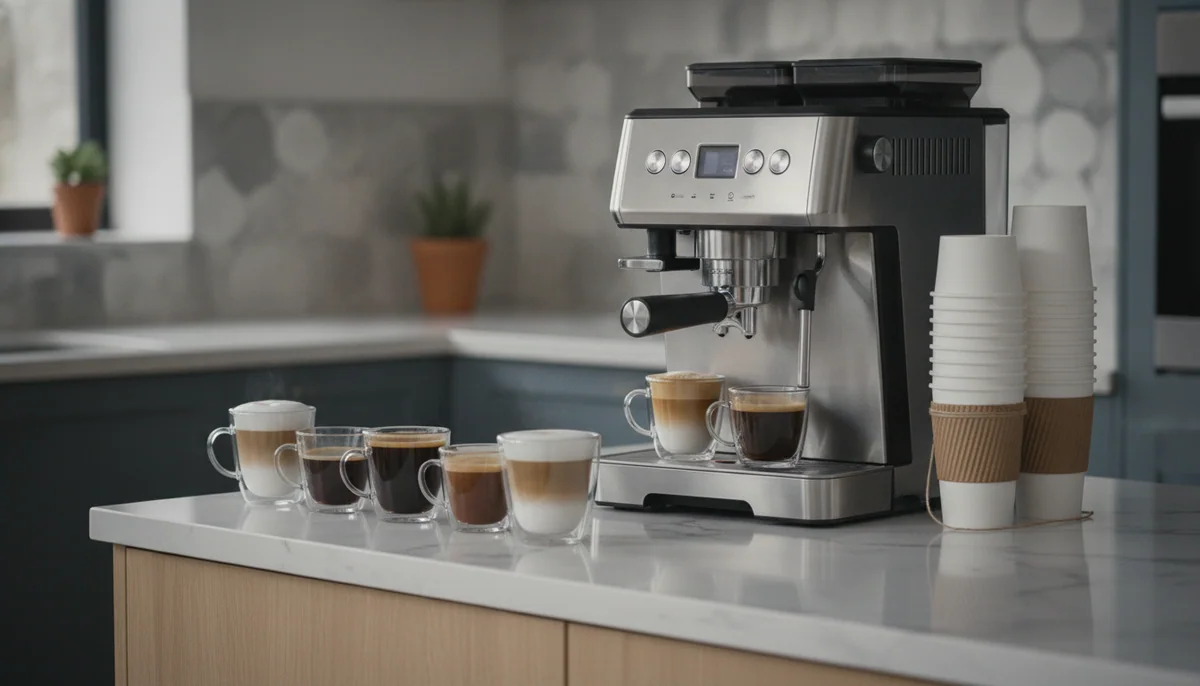
The sharpest thing anyone has said about this category came from a reviewer who bought six bean-to-cup machines with his own money, tested them side by side, picked the one he would keep, and then said the quiet part anyway: the same money would also buy a very nice grinder and a very good espresso machine, and you would get better results if you were willing to do more work. That sentence is the whole argument. Nobody who has done the work seriously claims a super-automatic makes the best coffee for the money. What it makes is the most coffee per unit of human effort, and whether that is a good trade is a question about your mornings rather than about the machine.
Which is why the honest answer is not yes or no but a threshold. Owners leaving capsules behind are consistently delighted, and they say so in the same terms over and over: no more pods, no more burnt drip coffee, a good value against a capsule habit with better coffee in the cup. Owners arriving from a portafilter and a decent grinder are consistently not, and the most-read version of that regret is a new parent who sold a well-regarded manual machine for a Jura, called it a huge mistake in public, and asked strangers to help him get back to basics. Both groups own competent machines. They are simply standing at opposite ends of the same trade, which is why the semi-automatic versus super-automatic question gets asked in the same forums every week and never settles.
Espresso Den's job on this page is not to sell you the category. It is to put the four drawbacks in front of you before the buying decision rather than after it, because every one of them is structural, none of them appears on a box, and each of them is the reason somebody's expensive machine is currently sitting unused on a counter.
The four drawbacks that actually decide this, and none of them is the price
Read a few hundred owner reviews across every brand in this category and the complaints do not scatter. They cluster into four, they recur across price brackets, and the expensive machines are not exempt from any of them.
| What owners say | What is actually happening |
|---|---|
| "It tastes like brown water" | The brew chamber holds far less coffee than a café basket, and the drink volumes stretch it |
| "The latte is only warm" | Automatic frothers pass milk through steam rather than steaming it, and the ceiling is often fixed in firmware |
| "I am always emptying something" | The machine rinses its own brew path at startup and shutdown, and every rinse lands in the tray |
| "It died just after the warranty" | Seals, sensors and grinders are the wear items, and they wear on a schedule longer than the cover |
One: the puck is smaller than you think, and no setting fixes it
A café double is sixteen to eighteen grams of coffee. Machines in this category run from roughly six grams at the bottom of the market to about sixteen at the top, and the software then pours a double's worth of water over whatever it ground. That single fact produces the angriest reviews in the whole field. One buyer returned a Philips 4400 under the heading of very expensive brown water after trying three bean varieties and running twenty-five cups waiting for improvement. A Philips 3300 owner who had already owned a Jura Impressa put it more bluntly still, saying a cheap instant coffee had more intensity, body, colour and flavour than what the machine poured. A Jura ENA 4 owner ran identical beans through their ENA and their J9 in the same house and found the ENA weak by comparison.
None of those people bought a broken machine. They bought a small dose and then asked it to fill a large cup. The fixes that genuinely work are unglamorous: maximum strength, the shortest drink volume you can live with, a finer grind adjusted one step at a time while the burrs are turning, and a second shot pulled into the same cup when the first is not enough. Everything else people try is theatre, and the full diagnosis of watery bean-to-cup espresso works through the rest.
Two: the milk is warm, and on many machines that is not adjustable
This is the complaint that ruins more purchases than bad coffee does, because it arrives every day and it cannot be dialled away. A Bosch 300 Series owner states the position exactly: if you like your drinks really hot then you will not like this machine, since you cannot adjust the temperature. An owner of the far more expensive Bosch 800 Series lists the same fault in an otherwise glowing five-star review and now microwaves the milk before starting. A De'Longhi Rivelia owner, several rungs up again, says the coffee is not hot enough and that the frother stopped frothing after a few months.
The mechanism is the same across brands, and it is why price does not rescue you. An automatic carafe or frothing wand passes milk past steam on a fixed program rather than letting a person judge it, and most machines cap the milk lower than a café would. Preheating the cup, raising the drink temperature setting on the machines that have one, and using less milk all help; none of it turns a bean-to-cup machine into a scalding-latte machine, and the causes and the honest fixes are worth reading before you spend rather than after. If milk is genuinely the point of the purchase, settle which milk system you will actually live with first, because that decision matters more than the model number.
Three: the machine automates the drink, not the ownership
The best ownership document in the entire record is not a rave. It is a two-year Magnifica Evo review that reads like a chore list: water refilled daily, milk carafe washed daily, spent grounds emptied every two or three days, a full cleaning cycle every three or four weeks that runs closer to ninety minutes than the advertised hour, and the brewing parts behind the water tank cleaned regularly because if you skip them they get mouldy. A Rivelia owner reaches the same place in fewer words, saying the machine makes fabulous coffee and is a diva when it comes to cleaning, and that the time you save pushing buttons is reinvested in the sink.
Water consumption surprises people more than the washing up. These machines rinse their own brew path when they wake and again when they shut down, so a Philips 2300 owner making four drinks a day reports refilling the tank daily and draining the base every second day. A Bosch 300 owner measured about a cup of water per rinse and, to his credit, decided he would rather the machine did it than do it himself. Both reactions are reasonable. Only one of them was expecting it. What cleaning and descaling really involves, week by week is the schedule to look at before committing.
Four: the repair curve steepens right where the warranty stops
This is the drawback with real money attached, and the pattern is uncomfortably consistent. A Café Affetto owner had the control board glitch just a few months after the one-year warranty expired, and another was told outright that the manufacturer does not service its small appliances because it is not cost effective. A Jura E4 buyer had something break internally at five months, was quoted four hundred dollars to fix it, and then discovered his third-party seller was not an authorised dealer, so there was no warranty at all. A Jura ENA 4 owner who did all the prescribed maintenance had the machine fail inside a year and was told the same thing about who they had bought it from. A Gevi owner's grinder stopped grinding at four months and neither the seller nor the manufacturer replied to them at all. A Dinamica Plus buyer received two dead machines in a row, one renewed and one new.
Set against that, plenty of these machines run for years, and the ones that do have owners who descale on prompt, keep oily beans out of the grinder and rinse the brew group. The practical conclusions are three, and they cost nothing. Buy from a seller whose warranty is genuinely the manufacturer's, because on several of these brands the cover is a property of the seller rather than of the box. Buy somewhere with a return window longer than a month, because a machine needs a fortnight of dialling in before you can judge it. And read what breaks first and what a repair typically costs before you decide how much machine to buy.
What the machine has to earn back, in cups rather than in months
Every listing in this category makes a payback claim, and they are all built on the same flattering assumption. Philips tells 2300 buyers the machine pays for itself in about three months, which requires you to have been buying a six-dollar coffee shop drink every single day beforehand. The most honest version of that arithmetic came from an owner rather than a marketing department: a Café Affetto buyer who had been on capsules worked his own break-even point at about fifteen months.
Fifteen months is the number to hold in your head, because it reframes the whole question. Against a daily café habit or a heavy capsule habit, a machine of this kind pays for itself and then keeps paying, which is precisely why owners who left pods behind are the happiest group in this entire body of evidence. Against a household that drinks one coffee a day and already owned a kettle, the saving is largely imaginary once you count beans, water filters, descaler and cleaning tablets, and the machine has to justify itself on pleasure alone. Two or three drinks a day is roughly where the sums stop being an argument and start being obvious.
The variable that outranks every model number
Beans decide more of the cup than the machine does, and they also decide how long the machine lasts. Every source in this field agrees on one prohibition: keep dark, oily, shiny beans out of a bean-to-cup grinder. The clearest statement of it comes from a Jura E4 owner who suspects oily beans are behind the clogging other people complain about, runs a non-oily blend, and reports that her sister's machine has made over thirty thousand cups and is still going. The opposite failure is quieter: grinders in this category generally cannot go fine enough to extract a bright light roast properly, which is how a perfectly good machine ends up producing thin, sour coffee for somebody who did nothing wrong except buy fashionable beans.
Medium to medium-dark, matte rather than glossy, is the window nearly every one of these machines is happiest in, and which beans actually work in a bean-to-cup hopper covers the exceptions. If two people in your house drink different coffee, that is a second decision worth making deliberately rather than by accident, and the machines built for two beans solve it in three quite different ways.
Where each of the machines on this page actually lands
Philips LatteGo
Four price tags, one brew unit, and the honest consequence is that climbing the range buys interface rather than coffee. The 2300 is the cheapest sound route into a one-touch cappuccino with a carafe that rinses in seconds, and its drawback is the thinnest menu in the family with no americano on it and drink volumes small enough that one owner measured 2.7 ounces from the latte button and needed four presses to fill a travel mug. The 3300 is the value point of the range, quieter than anything Philips made before it and the machine most people should buy, and its drawback is that the small puck underneath is unchanged, so the espresso is mild by design. The 4400 adds a colour screen, saved profiles and iced presets that brew warm coffee for you to pour over ice, and its drawback is that none of it improves the drink. The 5500 is the easiest of the four to live with, with four profiles and an Extra Shot key that is the only control on the machine capable of raising the dose, and its drawbacks are at the listing rather than the hardware: the grey EP5544/90 page claims two user profiles and a power figure no specification supports, and the renewed grey listing swaps most of the warranty for the discount on a platform whose leaks tend to surface after the first few months. Which LatteGo to buy settles the ladder properly.
De'Longhi
The Magnifica Start is the range's honest entry point, the same brew group and steel burr as machines above it with the troublesome carafe sensor deleted, and its drawback is a panarello wand you operate yourself and a long coffee that thins out fast. The Magnifica Evo is the best-selling machine in this category for a good reason, since its foam beats carafes costing more, and its drawback is the dose ceiling that turns straight espresso into a short lungo. The renewed Evo listing is the same machine for less, and its drawback is a ninety-day warranty on an appliance whose failures cluster in year two. The Dinamica Plus is the cheapest way into a fifteen-gram puck and genuinely better espresso, and its drawback is milk that tops out around 59°C and a carafe port owners have to wrestle. The Rivelia is worth its premium for exactly one feature, two removable hoppers that end the decaf argument, and its drawback is that both hoppers feed one grind setting, so two beans that want different grinds cannot both be right. The whole De'Longhi range compared puts them in order.
Jura
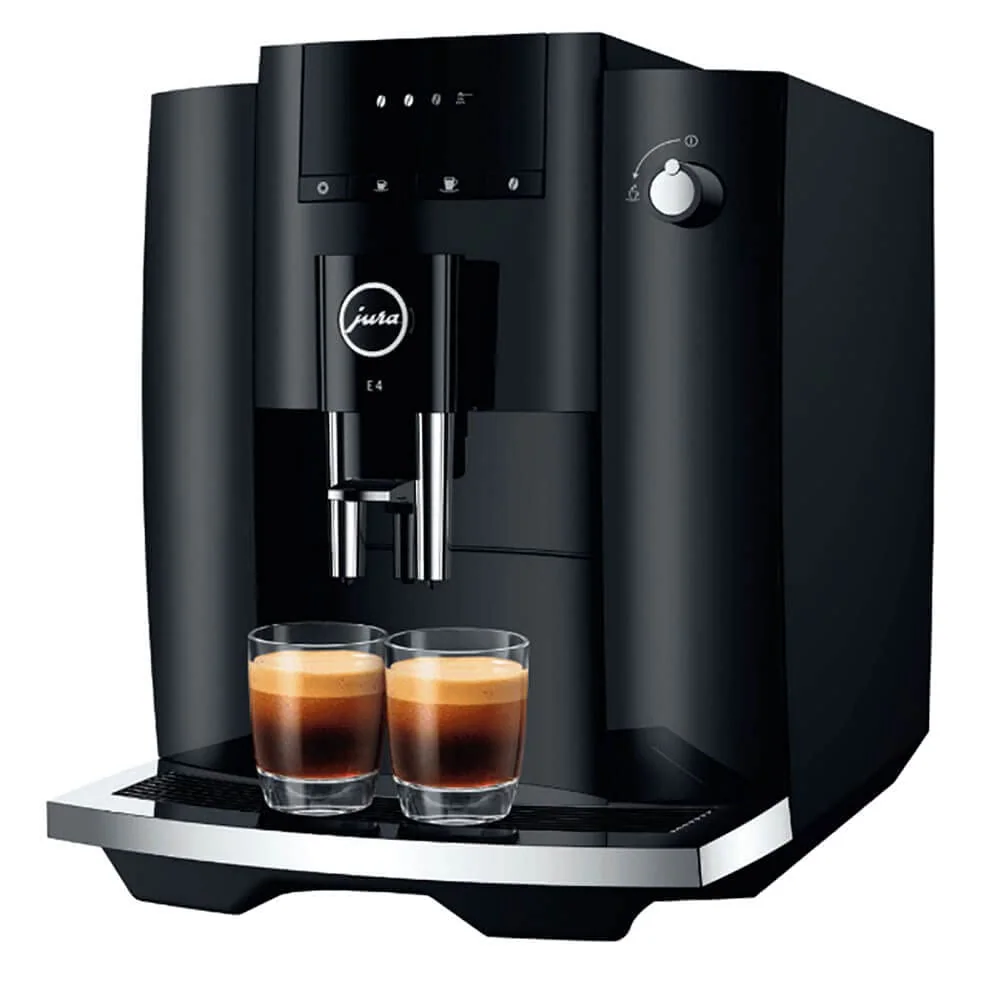
The E4 in Piano Black is the cheapest way into a full-size Jura chassis and it is very good at espresso, americanos and short black coffee, and its drawback is that it has no milk hardware of any kind despite promising five barista quality specialties, alongside a front panel that speaks only in symbols and a cup that tops out around eight ounces. The Piano White is the same machine and the same drawback, differing only in finish and in resting its slightly higher score on far fewer buyers. The ENA 4 earns its place on a small counter and does short black coffee properly, and its drawback is a ten-gram brewing unit that thins out the moment you ask for mug volume, plus a spout too low for an American mug. The J8 twin buys you two hoppers with two grinders and the best screen Jura currently ships, and its drawback is that its thirty-one specialties are sixteen recipes counted several ways, over milk that owners measure at around 141°F. All three share the brand's real cost, a sealed brew group you can never inspect, which we take apart in the mould question and price up in what a Jura costs to run.
KitchenAid, Bosch and Café
The KitchenAid KF7 is a Swiss-built platform behind the friendliest interface in the category, with a hopper that twists off so decaf and regular coexist, and its drawback is a cluster of early failures in the owner record and milk that arrives warm rather than hot. The Bosch 300 Series is narrow, quiet and genuinely pleasant for espresso and a cappuccino-sized milk drink, and its drawback starts with its own title, which promises a steam wand while the description underneath describes an in-cup frother, and continues with a single bean hopper that makes an afternoon decaf a chore. The Bosch 800 Series, in black or in stainless, produces the best cup in its price bracket behind the best screen, and its drawback is warm milk that no menu rescues and no bypass chute at all, which its own cheaper sibling has. The Café Affetto is seven inches wide and puts a decent tuned shot in front of you inside ninety seconds, and its drawback is a manual wand people mistake for an automatic one and a failure record that bunches at twelve to fifteen months.
The machines here that are not super-automatics at all
Two of these listings are filed in this category and do not belong to it, which is worth knowing before you press buy. The Gevi 20 Bar with the automatic frother is a competent little semi-automatic that makes good milk drinks and reprograms its shot volumes to whatever you actually drink, and its drawback is that you dose and tamp a portafilter yourself, its "automatic" frother is a sleeve over a steam wand, and it wants three to five minutes of cooling between drinks. The Gevi grinder combo is the better of the two because it arrives as a complete setup with a burr grinder in the second box, and its drawback is that the bundled grinder will not reach espresso-fine, which welds the machine's ceiling shut.
Breville sits in the same grey zone deliberately, and what its machines actually automate is the page to read if the word automatic brought you here. The certified remanufactured Barista Touch has the best automatic milk wand of anything on this page and grinds, doses and times the shot for you, and its drawback is that you still tamp every drink and pour every jug, on a refurbished unit carrying six months of cover instead of two years. The Oracle Touch goes further than any other Breville by tamping for you as well, and its drawbacks are a twenty-two gram dose that cannot be changed from the screen and a flagship badge on a design its own maker has already replaced.
When the answer is simply no
Four kinds of buyer should keep their money. If you drink your coffee black and strong, the dose ceiling is the one thing settings cannot lift, and the machines built for black coffee only narrow the gap rather than closing it. If your beans are light and bright, the grinders in this category cannot take them fine enough and you will spend a year blaming yourself. If you want a large mug of filter-style coffee, what these machines call coffee is not what a drip machine calls coffee, and no button changes that. And if you actively enjoy the process, a manual machine and a good grinder will beat any of this for the same outlay.
Everyone else, which is most households, is buying something genuinely valuable and slightly less impressive than the marketing suggests: a machine that will hand a good cappuccino to somebody who has learned nothing, at six in the morning, without waking anybody up or dirtying a counter. Judged as that, it is worth it, and the four drawbacks above are the price of admission rather than defects. Judged as a route to better espresso than you could make yourself, it is not, and nobody who has tested these machines properly claims otherwise. Start from the shortlist, work out which of the four drawbacks you can genuinely live with, and buy the cheapest machine that clears that bar.
Frequently Asked Questions
What is the biggest drawback to super-automatic espresso machines?
The brewing chamber holds far less coffee than a café basket, so the espresso is mild no matter which settings you use, and every other complaint in the category is smaller than that one.
Do these machines actually save money?
Against a daily café or capsule habit yes, with owners putting their break-even point at roughly fifteen months, and against a single home-brewed cup a day the saving mostly disappears once beans, filters and descaler are counted.
Why is the milk never hot enough?
Automatic frothers pass milk through steam on a fixed program rather than steaming it under a person's judgement, and on many machines the ceiling is set in firmware with no way to raise it.
Are the expensive machines more reliable than the cheap ones?
Not dependably, since the failure reports in the owner record run right across the price range and cluster around seals, sensors and grinders rather than around cost.
How long should one of these last?
Well-maintained machines commonly run five to ten years, while the failure tail bunches between four months and two years, and correct water hardness, regular descaling and non-oily beans are what separates the two outcomes.
Which beans should I put in one?
Medium to medium-dark espresso roasts that look matte rather than shiny, because oily beans gum up the grinder and light roasts cannot be ground fine enough to extract properly.
Can I make a large mug of black coffee with one?
Only by stretching a small dose with a lot of water, which is exactly why so many owners describe their large drinks as thin.
Is a semi-automatic better for the same money?
It will make better coffee if you are willing to grind, tamp and steam yourself, and it will make worse coffee than the automatic if nobody in the household is going to do those things at seven in the morning.
Does buying from any seller affect the warranty?
It can, since several owners discovered after a failure that their marketplace seller was not an authorised dealer and no manufacturer cover applied at all.
Is a renewed or refurbished machine a safe buy?
Sometimes, but the shortened warranty on most renewed listings expires before the window in which leaks and worn seals typically appear, so the discount has to be genuinely large to be worth it.
Sources (3)
- Amazon listings and customer reviews
- Owner reports across r/espresso, r/superautomatic threads
- Owner and reviewer video, 1 channel