The Philips 3300 brews exactly the same coffee as the 2300, so the whole question is whether two extra buttons are worth the gap
Buy the 2300 if cappuccino and black coffee are the whole of your morning, buy the 3300 if you want a longer milk drink, a milk-level control and a panel with more than four icons on it, and buy whichever of the two is on offer rather than whichever one is newer.
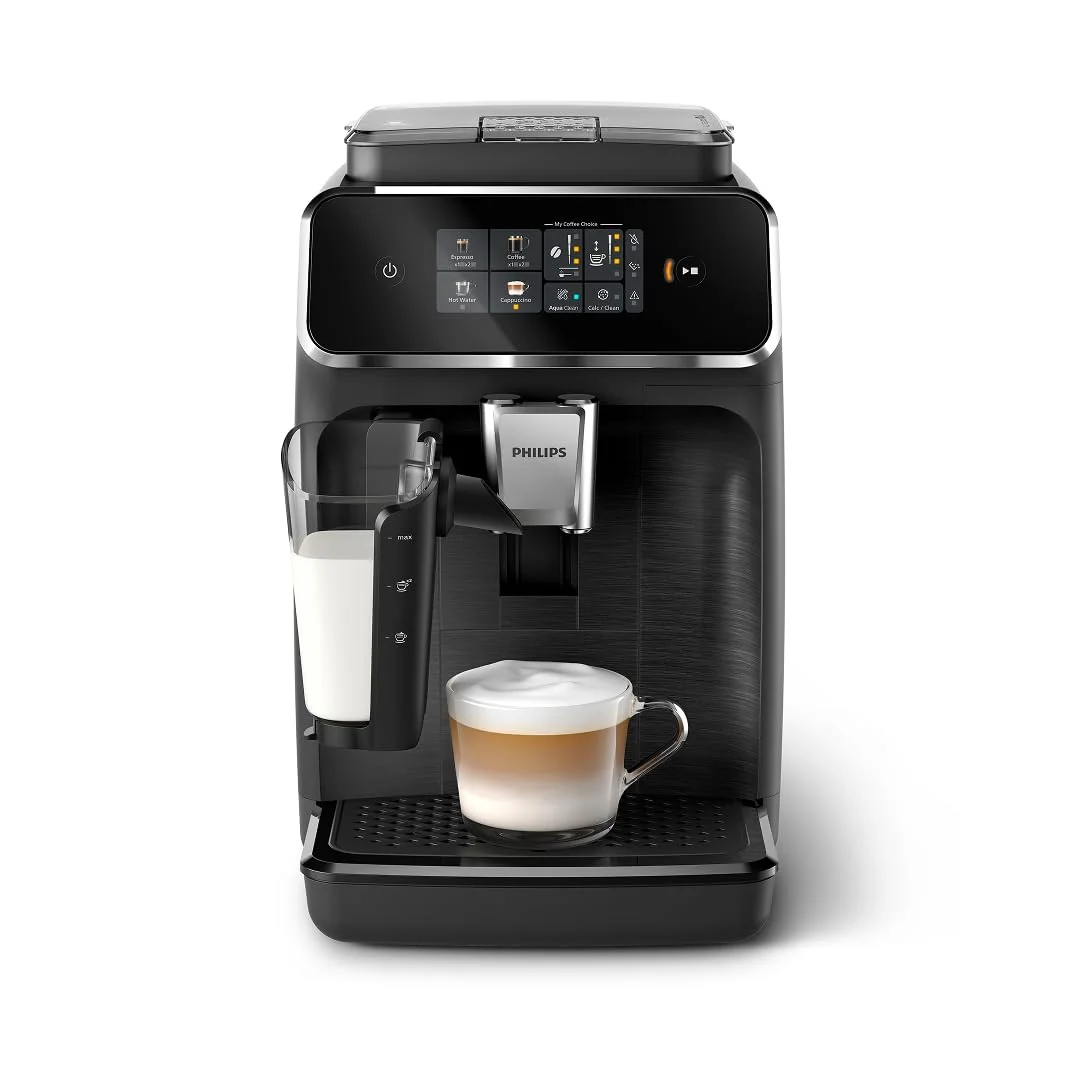
Philips 2300 LatteGo
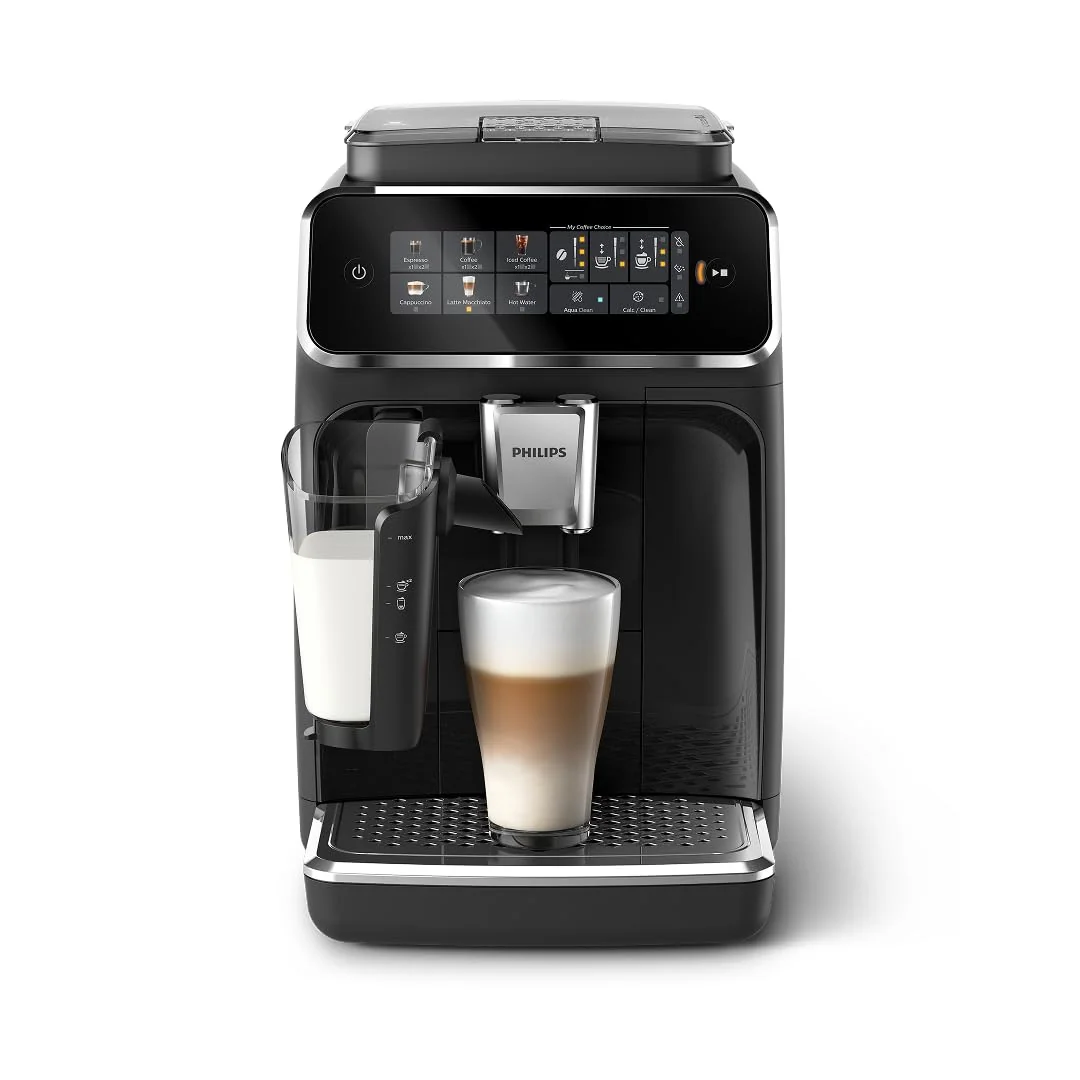
Philips 3300 LatteGo
Philips sells this range as a ladder, and the ladder metaphor does a lot of quiet work. It suggests that the rung above brews something the rung below cannot. It does not. The 2300 and the 3300 are the same generation of machine, and they share the Saeco-derived brew group and the ceramic grinder that every LatteGo model in the family uses. When reviewers have pulled the brew group and weighed what is actually in the puck, the answer has been about 8.4 to 8.5 grams at the top strength setting. A separate bench weighing of the same platform put the range at roughly 6.1 grams at the lowest strength and 8.8 at the highest. A café double is 16 to 18 grams. Neither of these machines has a larger chamber than the other, so whatever "worth it" means on this page, it cannot mean a better espresso.
Which leaves the listings themselves, and they are unusually candid when you read them side by side. The 2300 offers four presets and claims it pays for itself in about three months. The 3300 offers six presets, adds milk level to the things you can adjust, calls its panel a full colour display, and puts its own payback at about six and a half months. The dearer machine's marketing concedes, in its own bullet points, that it takes twice as long to earn back. That is the shape of this comparison in miniature: the money buys interface and drink names, and the coffee is a constant.
The star ratings say the same thing from the other direction. The 2300 sits at 3.7 and the 3300 at 3.8, which is a difference of nothing. The number worth looking at is the second one: the 3300 has been rated by more than a thousand buyers and the 2300 by a couple of hundred. Espresso Den read every retained review on both listings, and the two populations behave identically, delight on one side and water on the counter on the other. You simply know a great deal more about how the 3300 behaves in strangers' kitchens, and that is a genuine, if unglamorous, argument for it.
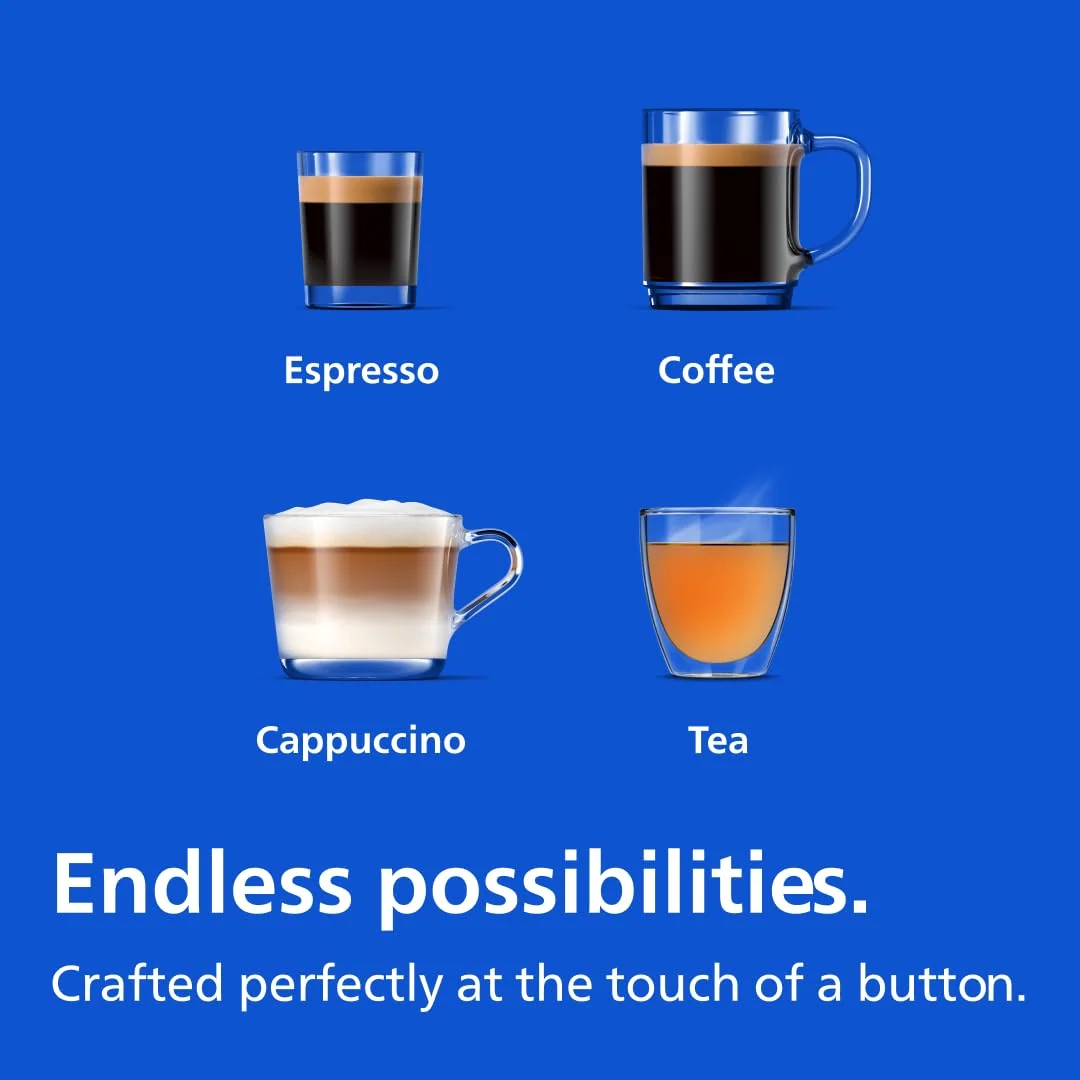
Philips 2300 LatteGo
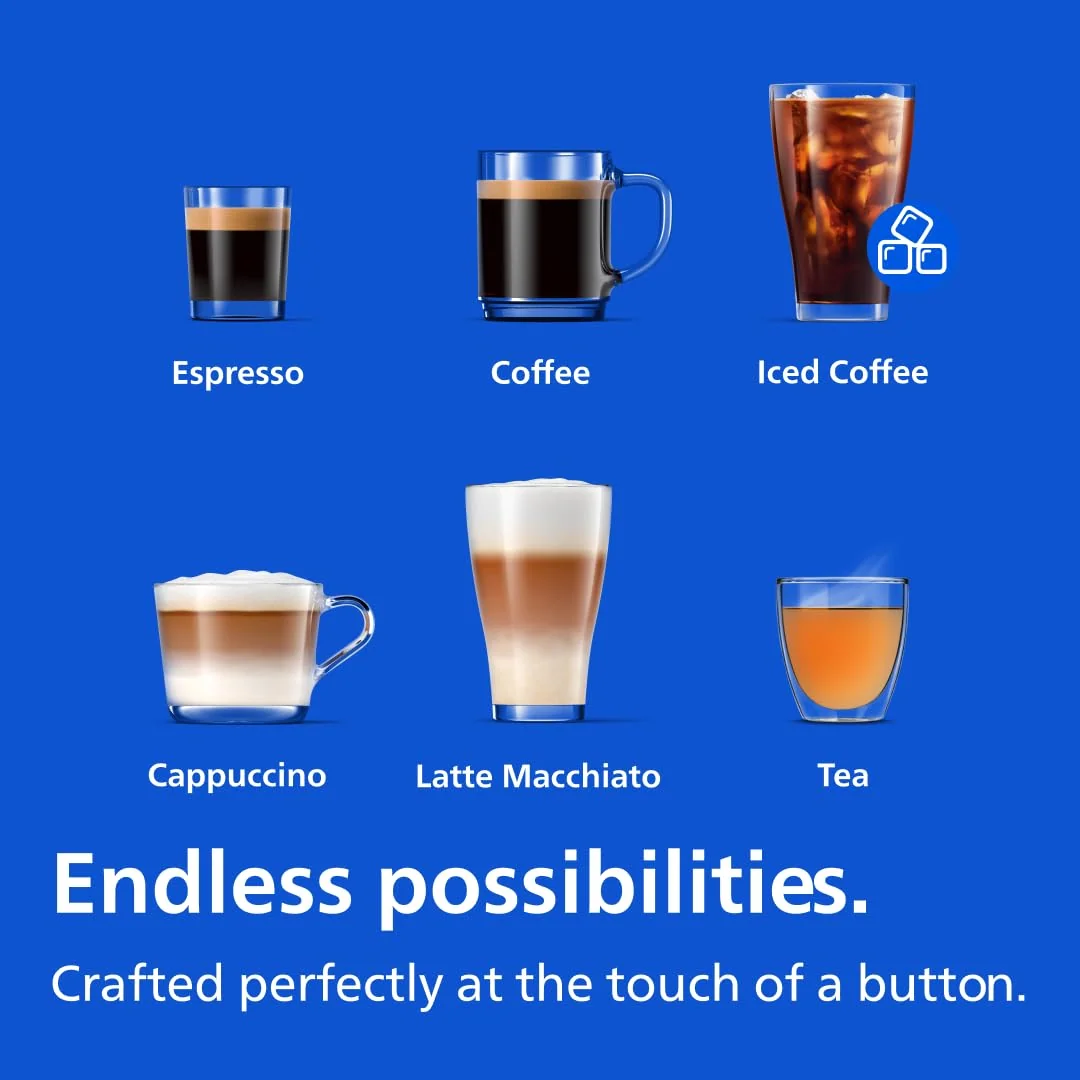
Philips 3300 LatteGo
At a Glance
| Feature | Philips 2300 Series Fully Automatic Espresso Machine with LatteGo milk system and integrated grinder, 4 Coffee Pre-Sets & Hot Water, 40% Quieter SilentBrew, 15-Bar Pressure, Matte Black (EP2330/10) | Philips 3300 Series Fully Automatic Espresso Machine with LatteGo Milk System and integrated grinder, 6 Hot & Iced Coffee Pre-Sets, 40% Quieter SilentBrew, 15-Bar Pressure, Glossy Black (EP3341/50) |
|---|---|---|
| Price Range | $200–$500 | $500–$1,000 |
| Configuration | 4 Beverages | 9.68"D x 17.04"W x 14.6"H |
| Finish | Matte Black | Glossy Black (Ep 3341/ 50) |
| Items In Box | 1 | 1 |
| Listed Since | 2025-05-28T00:00:01Z | 2025-06-02T00:00:01Z |
| Check Price on Amazon | Check Price on Amazon |
What the extra money buys, item by item
Two more drinks, and the one that neither of them has
| Drink | 2300 | 3300 | 3200 |
|---|---|---|---|
| Espresso | Yes | Yes | Yes |
| Coffee | Yes | Yes | Yes |
| Cappuccino | Yes | Yes | Yes |
| Latte macchiato | No | Yes | Yes |
| Iced coffee | No | Yes | No |
| Americano | No | No | Yes |
| Hot water | Yes | Yes | Yes |
Take the two additions honestly. The latte macchiato is not a new drink on a LatteGo machine; it is the same carafe, the same single shot and more milk, dispensed for longer. The iced coffee preset does not chill anything: it brews at a reduced temperature with a slowed flow and expects you to pour it over ice, and one tester measured the liquid leaving the spout at 155°F. That is a real change to the extraction and it is not cold brew, a distinction we go through properly in what these iced modes actually do.
Now the row that should stop you. Neither machine has an Americano button. The 3300 traded it away for the iced setting, and the clearest verdict on that swap comes from an owner who moved to a 3300 from a 3200 and said plainly that he preferred the americano and that the iced coffee left him unmoved. A 2300 owner in a buying thread went further, telling a prospective buyer to get the 3200 instead precisely because his own machine had no americano and that one did. If a long black coffee is what you make every morning, climbing from the 2300 to the 3300 does not solve your problem, and you should read what we recommend for people who drink it black before spending anything at all.
One omission the upgrade does not fix either: there is no milk-only button on either machine, so a hot chocolate means starting a milk drink and cancelling it before the coffee arrives, and everything that passes through the carafe gets textured on the way.
The display upgrade is real, and it is smaller than the word "display" suggests
The 2300 gives you icons. The 3300 gives you the same idea in colour, with six labelled drinks instead of four and an on-panel milk level you can actually see. That last one matters more than it sounds, because the single most exasperated review on the 2300 listing comes from someone who wanted a bigger milk drink, went through every Philips video looking for the setting, could not find it, and was left with a picture manual for company. On the 3300 that adjustment is on the front of the machine. This is the one place where paying more genuinely removes a daily irritation rather than adding a drink name.
What the colour does not buy is words. A 3300 owner met a fault light with no explanation attached, found no printed instructions in the box, spent half an hour in a phone queue to be emailed a PDF, and discovered the culprit was a drip tray that was not fully seated. Temperature on either machine is still a held-button sequence rather than a menu item, and getting it to the top is not a refinement: a 3300 owner put it bluntly, that without the water temperature set high you do not get a good shot or a good coffee at all. The other classic false alarm survives the upgrade too, because the AquaClean light is lit by design and only flashes when the filter is spent, which owners across the range read as a fault they cannot clear. Keep our translation of the Philips lights and hidden settings open for the first month whichever one you buy.
Quiet is a generation, not a rung
Both listings carry the identical SilentBrew claim of a forty per cent reduction against previous models. The measurement exists only for the 3300, where a reviewer recorded roughly 61 to 62 decibels with the hopper lid on and 72 to 73 with it removed, which locates the entire improvement in a rubber gasket rather than in anything mechanical. An owner who replaced a 3200 with a 3300 confirmed it from the other side, noting the new seal, reporting that grinding got significantly quieter, and adding that the frother made exactly the same racket as before.
Nobody has put a meter on a 2300 and a 3300 side by side, and Espresso Den is not going to invent one. What the record supports is this: the hush is a property of this generation of hopper lid, both machines claim it, and neither of them does anything about the noise of frothing milk. Choosing the 3300 for a peaceful kitchen is paying for something you have probably already got, and if silence is the actual requirement then the quietest machines in the category is a different shortlist.
The cup, where the argument runs out
| What you get | Does it change the coffee? |
|---|---|
| Latte macchiato and iced coffee on the panel | No, one is more milk and the other is warm coffee for pouring over ice |
| Milk level as an adjustment | No, but it is the friction the 2300 leaves unfixed |
| A colour panel with six drinks on it | No, and faults still arrive without an explanation |
| The same brew group and ceramic grinder | No, because it is the same hardware |
| An automated extra shot in milk drinks | Not offered here, and it is the one upgrade in this family that does change the cup |
That last row deserves the emphasis. On both machines the cappuccino and the milk drinks pull a single shot, which is why they taste weaker than the espresso button and why owners spend days convinced their machine is broken before working out that the café version they were copying had two shots in it. The factory-sanctioned fix, an extra shot the machine adds for you, arrives further up the range, which is why the 3300 against the 5500 is a more consequential comparison than this one, and why the whole ladder from 1200 to 5500 is worth ten minutes before you commit to any rung. On either machine here you do it yourself by brewing a second espresso into the finished cup, which takes twenty seconds and works perfectly well, on a machine you bought for pressing one button.
Everything else about getting a decent shot is identical on both. Strength to maximum, volume to its lowest, temperature to high, and the grind two to four notches finer, moved one step at a time and only while the burrs are turning. The mythology about a break-in period is largely mis-set factory defaults being discovered slowly, and the most experienced voices in the owner community have said so for years. A 3300 owner puts the turning point at around the twentieth drink, and a 3200 owner bought cheap beans specifically to burn through the shakedown before judging anything. Do that in the first fortnight, not the second month, because the return window is doing double duty as your dial-in window. If the shot is still pale after all of it, the full diagnosis is here.
What you inherit whichever one you carry home
The carafe is the reason anybody buys a Philips over a De'Longhi, and it earns that. Two or three parts, no tube, no hidden milk path, off the front and under the tap in seconds, and owners who dislike other things about these machines still defend it. Its limit is that it makes one texture: a thick, stable cappuccino foam rather than the microfoam a flat white or a cortado wants, which is why reviewers list flat white drinkers among the people who should buy something else entirely. If the milk system is the whole decision for you, the three types compared is the page to read first.
The liabilities are shared too, and they are not small. Water in places the drip tray cannot catch shows up on both listings: a 2300 that blew a seal at seven months and sprayed coffee out of the casing, and another that leaked from the rear during steaming and soaked through a rubber mat into a new wooden counter before anyone saw it, against a 3300 that at three weeks old was pouring very warm water from underneath during the brew cycle and went back for a refund. A repair-side voice in the owner community names the same suspects both times, the drainage valve seals that wear and the boiler connection that develops microcracks, and recommends changing those seals annually. Espresso Den's advice is free and unglamorous: do not stand either machine on bare wood, and pull it forward once a week to look behind it.
The chores are shared as well. The brew group comes out of the front and wants a weekly rinse, and owners who skip it for a few weeks find mould growing where you cannot reach without dismantling the machine. A 3200 owner itemised the real cost of keeping one of these honest at roughly four minutes a day and ten a week, which is the most useful number on any of these listings. Both machines purge water through the coffee path at every power on and power off, so a 2300 owner reports emptying the base every second day for four drinks, and a 3300 owner using a large mug watched half a cup go to waste before every brew and found loose grounds inside the body in quantities he called insane. And the promise of five thousand cups without descaling carries a footnote in Philips's own small print: it assumes you buy and fit eight AquaClean filters on schedule, which is a subscription described as an absence. We unpack that arrangement in the AquaClean piece, and the wider routine sits in our cleaning and descaling guide.
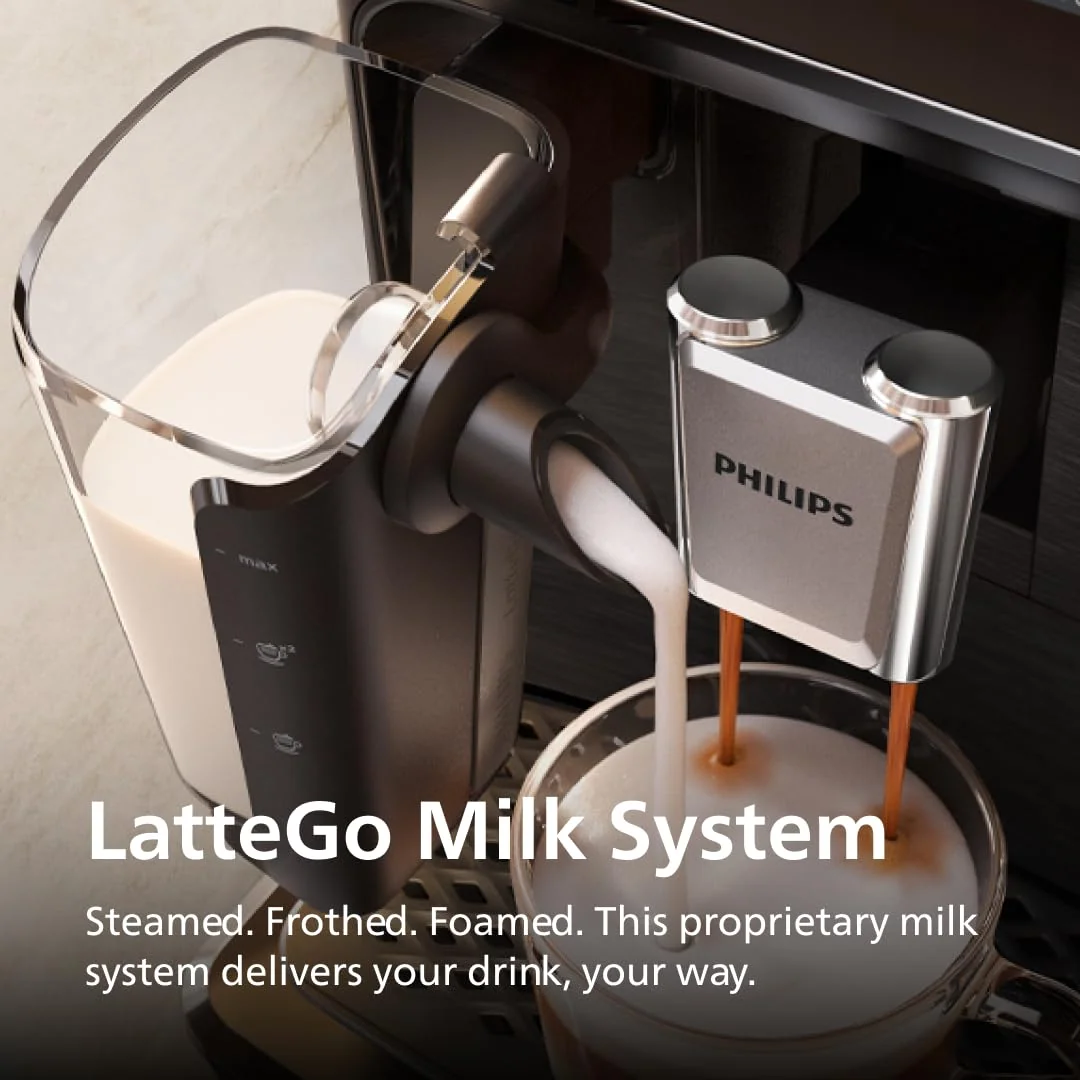
Philips 2300 LatteGo
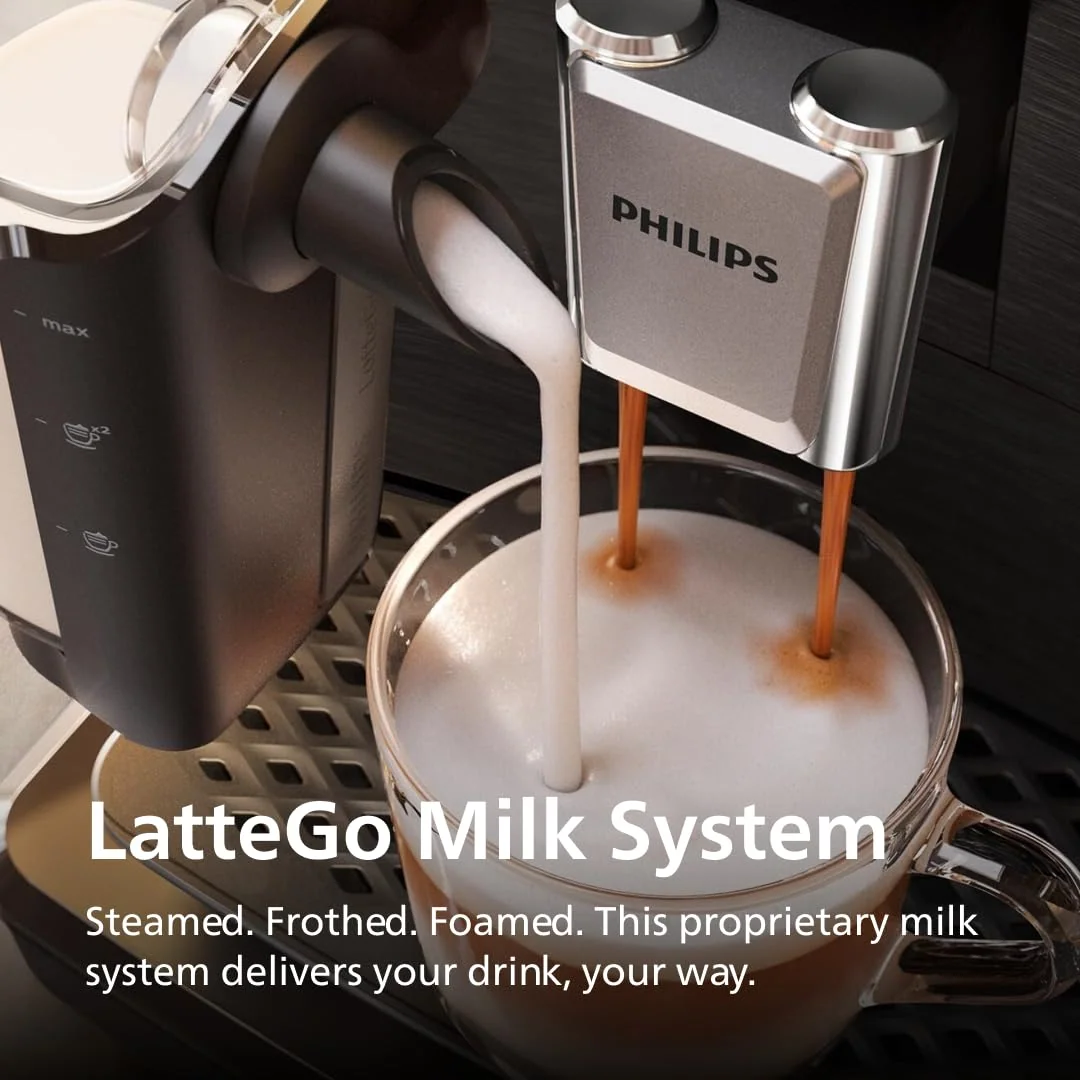
Philips 3300 LatteGo
So which one do you actually carry home
Start by counting your drinks rather than your buttons. If the household makes cappuccinos and black coffee and nothing else, the 2300 is the honest buy and the two extra presets on the 3300 will sit there unpressed for years. If somebody in the house wants a taller, milkier drink, or you have already been annoyed once by not being able to say how much milk goes in, the 3300 answers that specific complaint and it is the one Espresso Den would put in most kitchens. If the drink you actually want is a long black on one press, neither of these is the machine, and the family member that has it is the outgoing 3200, which is a compromise of its own and which we set against its replacement on the 3200 versus the 3300 page.
Then ignore the ladder when you buy. This range is discounted hard and often, and the rung above has been sold for less than the rung below more than once, so the sensible move is to decide which machine you want and then wait for that one rather than paying a premium for a colour panel. Whichever you choose, buy it where returns are generous, register it in the first week, put something waterproof underneath it, and start the throwaway shots the day it arrives. If milk drinks are the entire point of the purchase, our shortlist for people who mainly drink lattes and cappuccinos is the wider view, and the Bosch 300 Series against the 2300 is the argument for trading the carafe for a steam wand at similar money.
The cappuccino machine for a household that only drinks cappuccinos.
Four presets is plenty when three of them are the ones you press, and the carafe making those cappuccinos is identical to the one on the dearer machine.
It has the thinnest drink list in the family, no milk-level adjustment on the panel, and the only route to a longer black coffee is pressing a second button and moving the cup.
The rung most people should buy, as long as they buy it on offer.
It adds a longer milk drink, an iced setting, milk-level control and a readable colour panel on top of the same shot, and it comes with a far larger public record of how it behaves after a year.
Not one of those additions changes what is in the cup, so paying the full gap between the two is the commonest way to overspend in this range.
The older machine to buy if the americano is the drink you actually make.
It is the only one of these three with a one-touch long black on the panel, and it runs the same brew group and grinder as both newer machines.
It is the outgoing model, it predates the gasketed hopper that quieted this generation's grinder, and it inherits the same small dose and the same weekly brew group rinse.
Frequently Asked Questions
Does the 3300 make stronger coffee than the 2300?
No, because both use the same brew group and the same ceramic grinder, and the weighed dose is the same on either machine.
Does either machine have an Americano button?
No, and the machine in this family that has one is the outgoing 3200, which is why owners who value that drink keep sending new buyers back to it.
Is the 3300's iced coffee setting actually cold brew?
No, it brews at a reduced temperature with a slowed flow for pouring over ice, and one measurement put the liquid at 155°F as it left the spout.
Is the 3300 quieter than the 2300?
Nobody has measured the two against each other and both listings carry the same forty per cent claim, so treat quietness as a property of this generation rather than of the rung you pick.
Will the colour display let me set volumes in millilitres?
No, it is a colour-lit panel of drink buttons with step indicators rather than a menu, and the temperature setting still hides behind a held button on both machines.
Which one should I buy if cappuccino is basically all I drink?
The 2300, because the two drinks the 3300 adds are milk you already have and coffee poured over ice.
Do milk drinks pull two shots on the 3300?
No, both machines put a single shot into a milk drink, and the automated second shot only appears further up the range.
Can two people drink decaf and regular from either one?
Only by giving one person the hopper and the other the pre-ground bypass chute and a scoop, since both machines hold a single bean at a time and our guide to using pre-ground and decaf covers the grind problem that trips people up.
Are the leaks a 2300 problem or a 3300 problem?
Both, because owners of each listing describe warm water reaching the counter from the back or the underside during brewing and steaming, which is a platform trait rather than a model one and is covered in our note on what breaks first .
Ready to Choose?
Sources (6)
- Amazon listings and customer reviews — Philips 2300 Lattego and Philips 3300 Lattego
- Owner reports across r/superautomatic, r/Coffee, r/wootdaily threads
- Owner and reviewer video, 1 channel
- Coffeeness — Article — www.coffeeness.de
- Homecoffeeexpert — Article — homecoffeeexpert.com
- Philips — Article — us.home-appliances.philips