The Philips 3200 is a 2200 with a milk carafe bolted on, and the carafe is the entire argument
Buy the 3200 if somebody in the house wants a cappuccino on a Tuesday morning and is never going to steam it by hand, and buy the 2200 if your drinks are black, because the coffee itself is the same on both machines and almost everything else you are paying for is a jug.
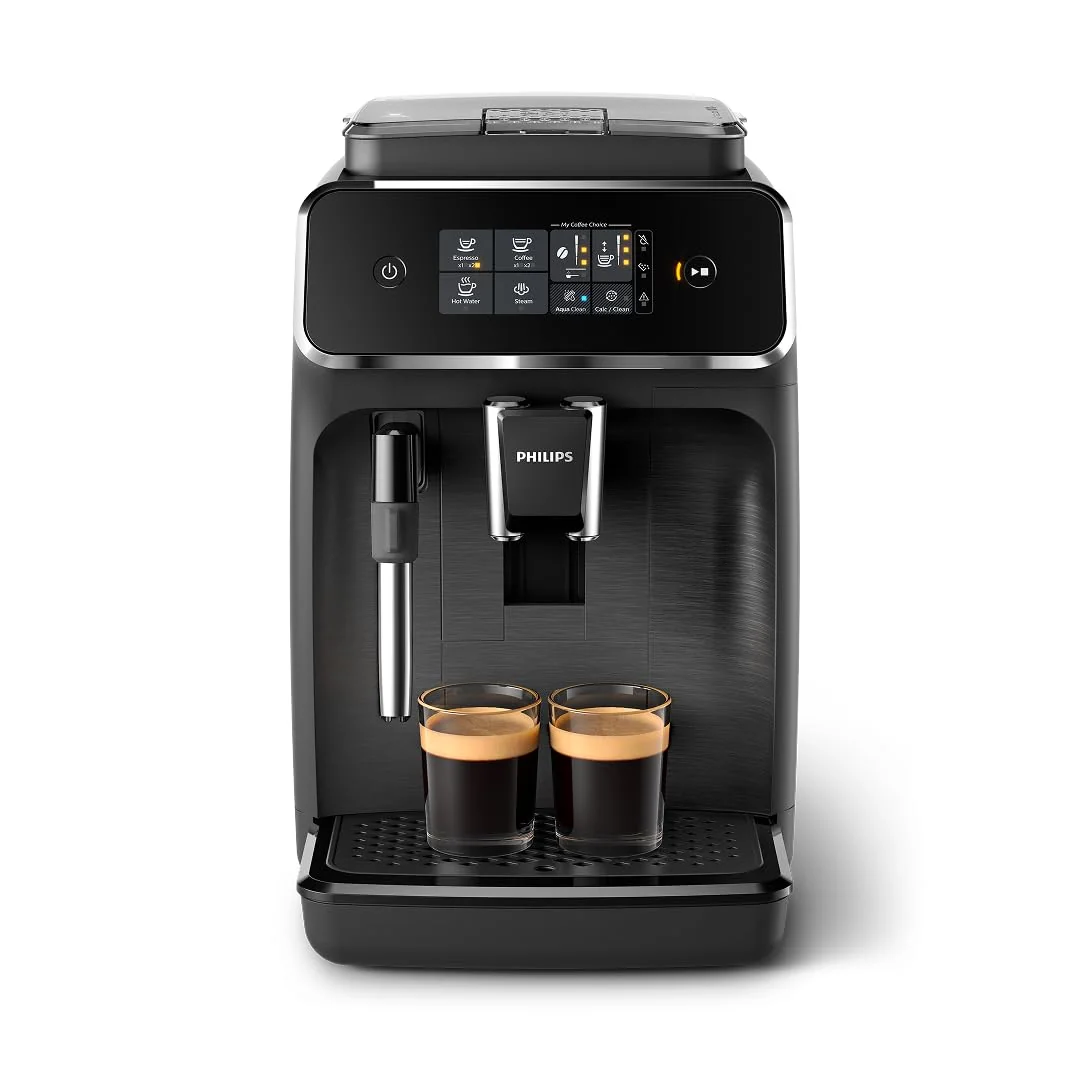
Philips 2200 Series espresso machine
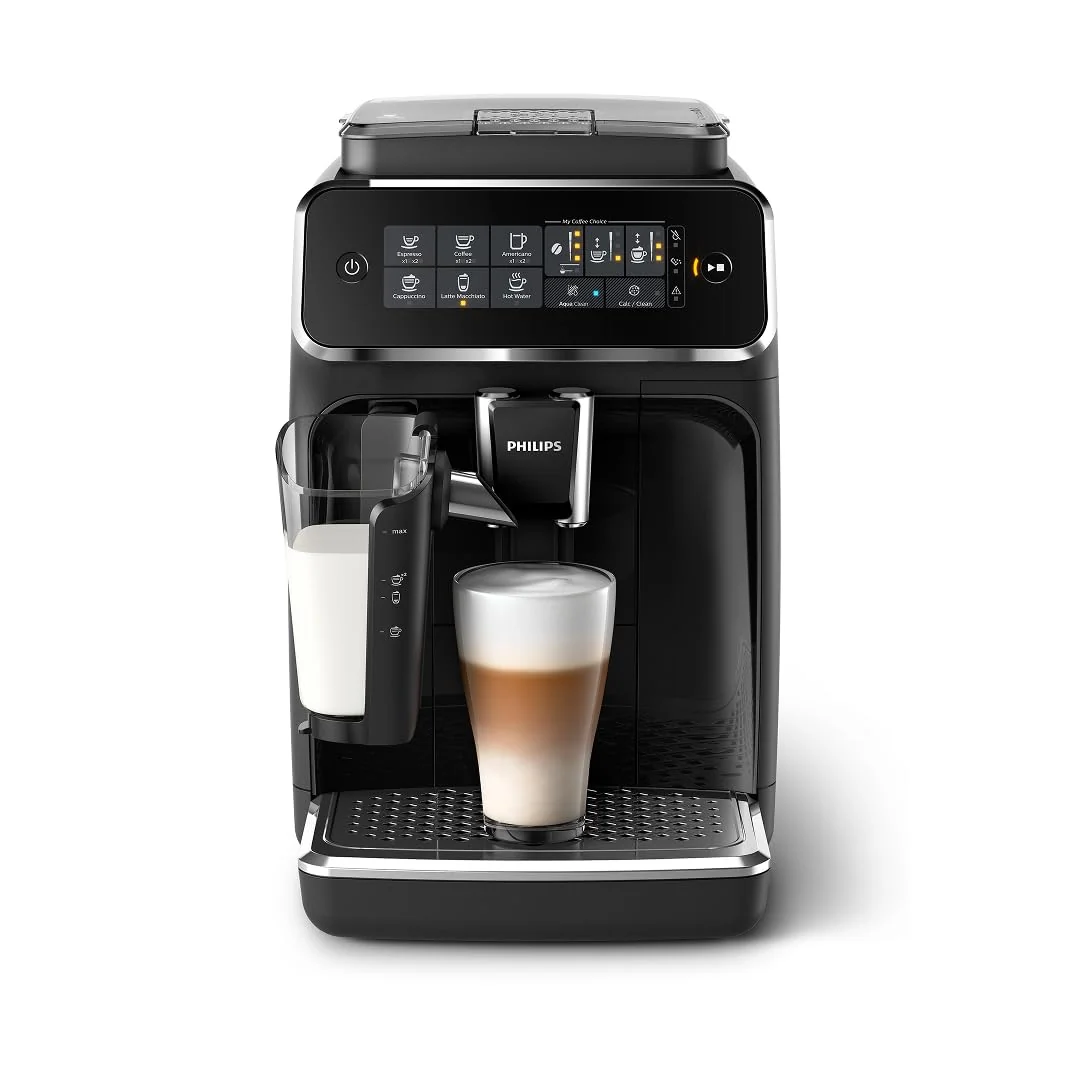
Philips 3200 LatteGo
One piece of evidence settles most of this comparison before it starts. A reviewer put the 2200, the 3200 and the 5400 side by side with the same beans and the same settings, weighed what came out of each, and got 37, 32 and 35 grams respectively with no meaningful difference in taste or temperature between them. They share a brew group, they share the ceramic burr grinder, and they share the pump. Whatever the 3200 is worth, it is not worth anything as a coffee maker that the 2200 is not already.
That single finding kills the way these machines are usually sold to you. The listing for the 3200 leads with five aromatic coffees, and the listing for the 2200 leads with three presets, which invites you to read the gap as a coffee gap. It is not. It is a milk gap and a labour gap, and both are real, but they are worth money only to a particular kind of household. Espresso Den's view is that a lot of people buy the 3200 for the drink count and end up valuing exactly one thing about it, which is that nobody has to learn to froth.
Before either machine gets recommended, the fault they share deserves saying out loud, because it will not go away by spending more. One reviewer stopped the 2200 after the grind and weighed the charge: roughly 6 to 7 grams depending on the strength setting, against 30 to 65 millilitres in the cup. Another, weighing pucks across the same 2200 and 3200 family, consistently got 8 to nearly 11 grams and noted the dose moves with the settings and the density of the bean. Take the generous end and you are still several grams short of what a café puts under a portafilter. Neither of these machines makes an intense short black, and if that is what you are chasing, our piece on why bean-to-cup espresso comes out thin will save you the disappointment before you spend anything at all.
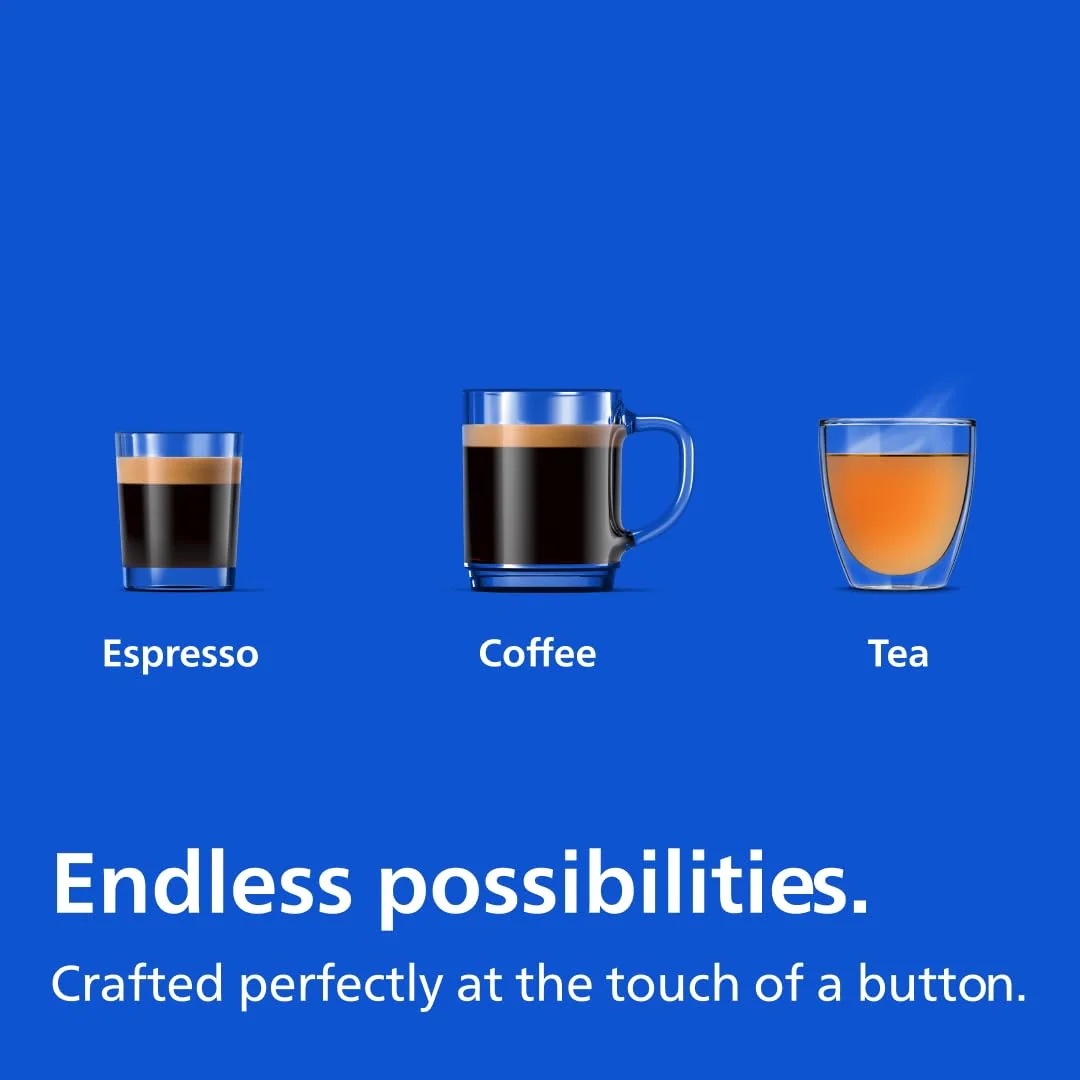
Philips 2200 Series espresso machine
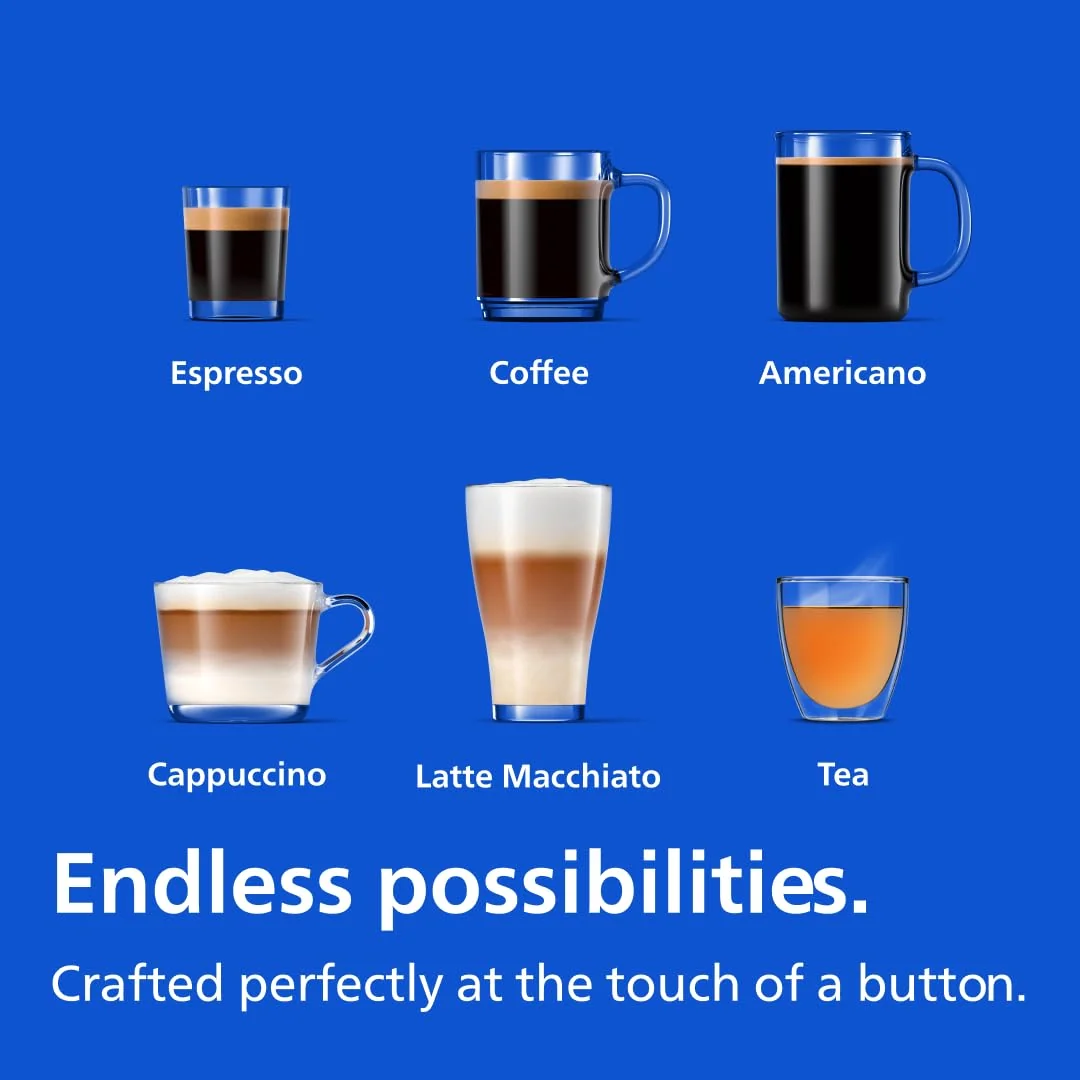
Philips 3200 LatteGo
At a Glance
| Feature | Philips 2200 Series Fully Automatic Espresso Machine, Classic Milk Frother, 2 Coffee Varieties, Intuitive Touch Display, 100% Ceramic Grinder, AquaClean Filter, Aroma Seal, Black (EP2220/14) | Philips 3200 Series Fully Automatic Espresso Machine, LatteGo Milk Frother, 5 Coffee Varieties, Intuitive Touch Display, 100% Ceramic Grinder, AquaClean Filter, My Coffee Choice, Black (EP3241/54) |
|---|---|---|
| Price Range | $200–$500 | $500–$1,000 |
| Configuration | Large | (EP3241/54) |
| Finish | Black | Black |
| Items In Box | 1 | 1 |
| Listed Since | 2025-06-02T00:00:01Z | — |
| Check Price on Amazon | Check Price on Amazon |
What the extra money actually changes
Strip the marketing off both boxes and the differences fit in a short table. Note how much of it is trim rather than capability: the mid-range machines get a metal drip tray where the 2200 has plastic, which is the same list on which the 5400 earns a metal top. One video reviewer singles out that plastic drip tray cover on the 2200 as feeling cheap because it is cheap.
| 2200 (EP2220/14) | 3200 LatteGo (EP3241/54) | |
|---|---|---|
| Drinks from a button | Espresso, coffee, hot water | Espresso, coffee, americano, cappuccino, latte macchiato, hot water |
| Milk | Steam wand under a plastic frothing sleeve, done by hand | Two-part LatteGo carafe, poured and forgotten |
| Milk cleanup | Purge, wipe, clear the sleeve's air hole | Rinse two parts under the tap or put them in the dishwasher |
| Brew group and burrs | The same parts, and in a controlled test the same shot | |
| Drip tray | Plastic | Metal |
| Panel | Backlit icons and warning lights on both, no screen on either | |
| Descaling | AquaClean on both, with the same filter schedule and the same consequences for skipping it | |
Two things on that list are worth more than they look. The word display appears on both listings and neither machine has one; you get backlit touch icons, which the most thorough published review of the 2200 calls out plainly while conceding it does not miss a real screen on a machine with so little to adjust. That honesty transfers to the 3200 as well, and it is why anyone buying either should keep our guide to the hidden button-holds and what the lights mean to hand. The other is the metal drip tray, which sounds like nothing until you have wiped a plastic one for two years.
The milk is the whole product
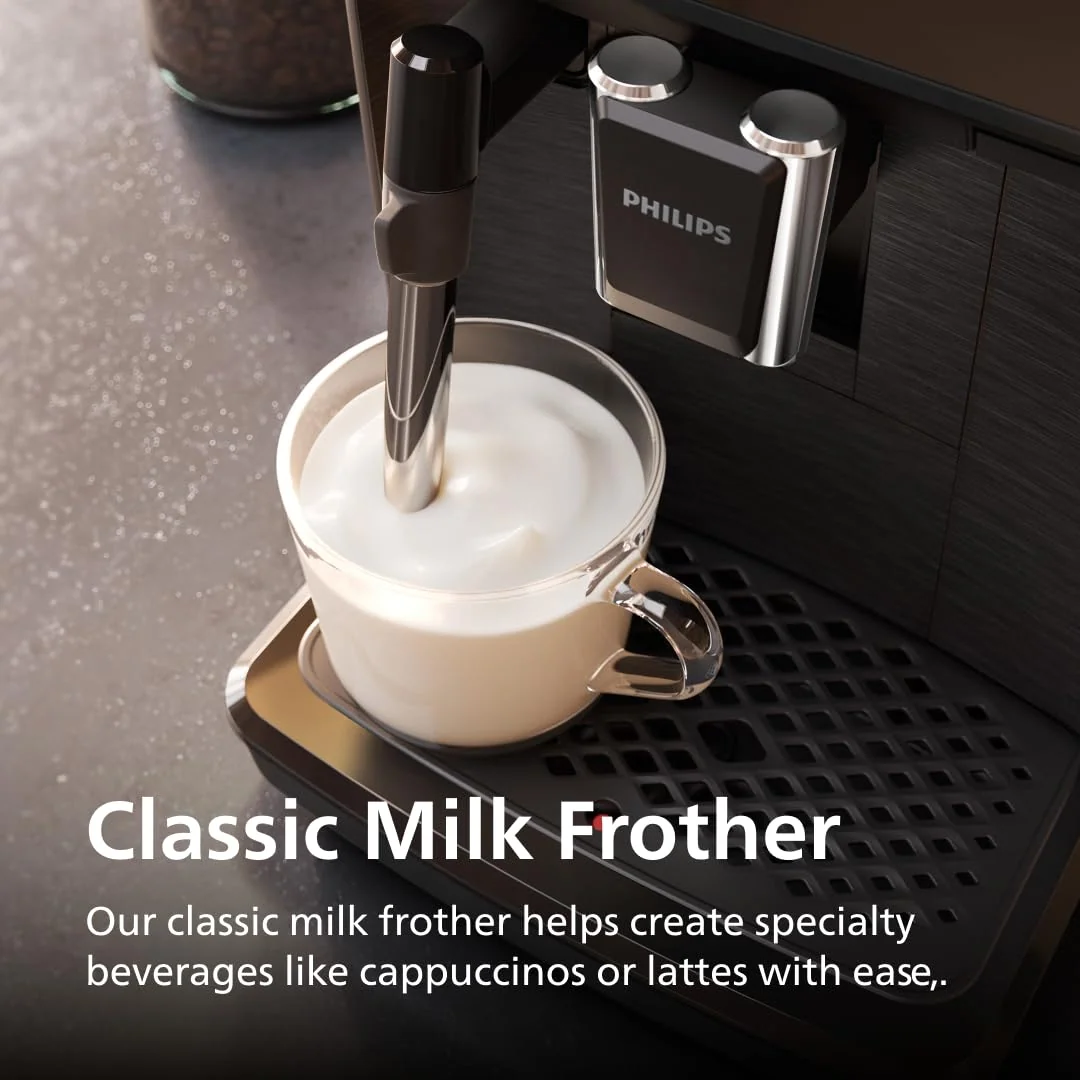
As it ships, the 2200's wand wears a plastic sleeve that drags air in through a pinhole and does the work for you, and the result is not what anyone means by silky. One reviewer could not get a flat white or latte art out of it after several attempts because the sleeve's wide opening makes microfoam hard. Another described the output as very frothy but not really silky, big bubbles sitting on top of the drink.
Then he took the sleeve off. Steaming on the bare tip, held to the side of the pitcher to spin a whirlpool while injecting air, he got milk he called nearly comparable to a normal espresso machine, silky enough to pour a heart into. That is the 2200's hidden ceiling, and it is high. It is also conditional on you buying a proper pitcher, learning to keep the tip submerged, working in short bursts, and purging and wiping the wand every single time so milk does not dry inside it.
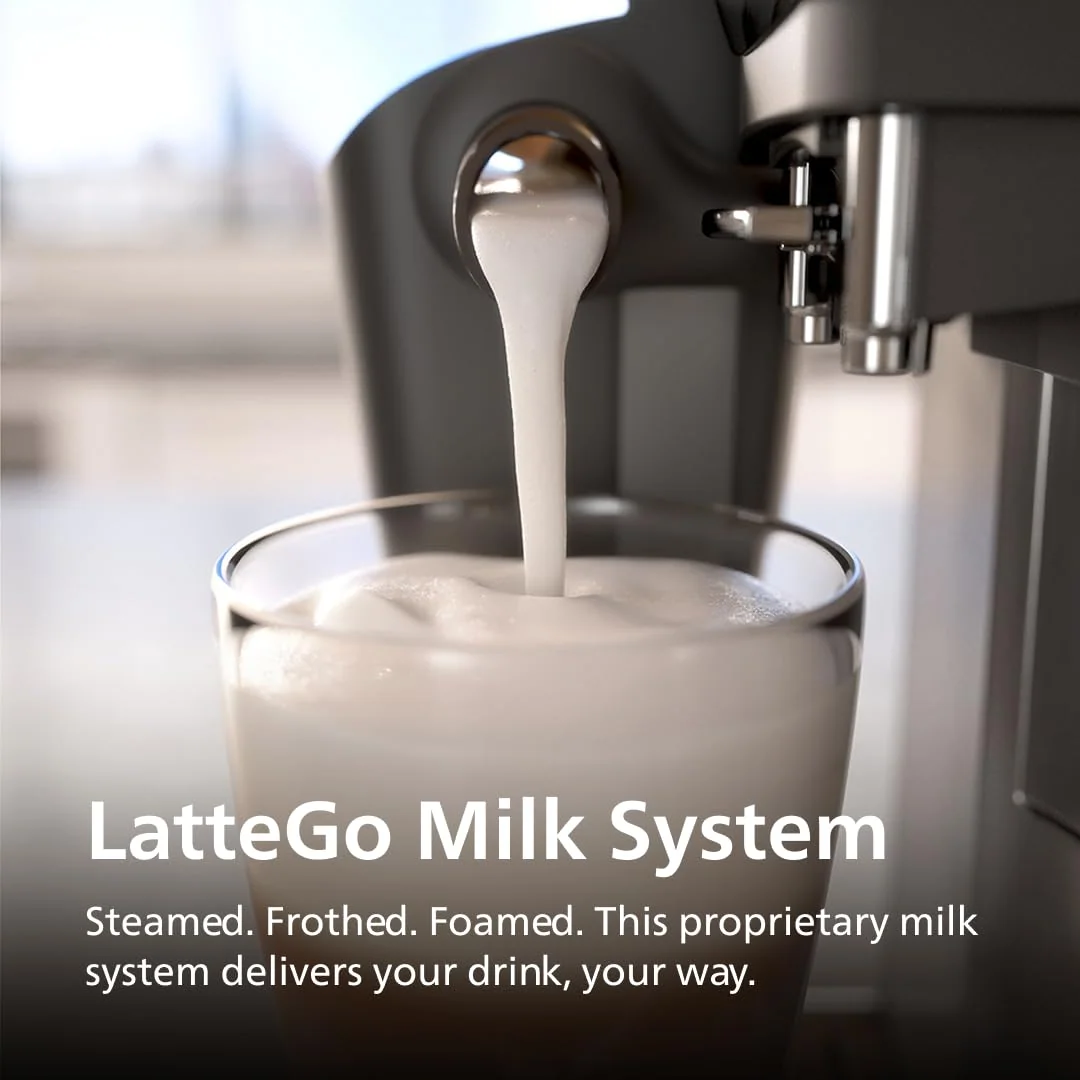
The LatteGo asks none of that. Two plastic parts, no tube, nothing that lives inside the machine, and Philips claims fifteen seconds under the tap or a trip through the dishwasher. The owner record backs the claim: the people who bought this machine over the wand version overwhelmingly say the carafe is why, and one describes exactly the arc that sells it, an earlier machine, a latte art phase, boredom with the latte art phase, and then wanting a latte on a workday without doing the work.
What you give up is control and heat. The 3200's milk temperature is not adjustable, and in the same three-way test that found the shots indistinguishable, the LatteGo cappuccino milk read 45°C on one run and 54°C on another minutes later, while milk steamed by hand on the 2200 went into the pitcher at around 65°C and landed at 53 to 55°C in the glass. Read that carefully: at its worse reading, the automatic carafe served milk cooler than the cheap machine's manual wand. Foam quantity divides owners too, with the same person praising the froth from dairy and wishing they could double it up. Which side of that trade you want is really the argument in our piece on the milk system you will actually live with, and it decides this page more than any other single thing.
Five drinks, counted the way a drinker counts
The americano button is espresso followed by hot water, and the 2200 dispenses hot water from its wand at around 84°C, which is why an experienced reviewer's advice for a long drink on the cheap machine is to put the water in the cup first and drop the shot on top rather than flushing more water through a small puck until it turns bitter. That is a better americano than the automated one, and it costs you five seconds. The cappuccino and the latte macchiato are both built milk first and land closer together than the badges suggest, and each pulls a single shot with no way to make a double the default, which is a quirk we work through properly in our review of the 3200.
So the honest count is not five against two. It is one genuinely new capability, milk without technique, plus the convenience of not building your own americano. If that reads like faint praise, consider how many mornings you have in a decade.
What each one asks of you, every day
| Job | On the 2200 | On the 3200 |
|---|---|---|
| Making a cappuccino | Brew, then steam a jug by hand, roughly a minute plus the skill | Fill the carafe, press once, walk away |
| Milk cleanup | Purge and wipe the wand immediately, clear the sleeve's air hole periodically | Rinse two parts, or leave them for the dishwasher |
| Black coffee | Identical on both, and so is the drink | Identical on both, and so is the drink |
| Drip tray | Fills slowly, mostly from the rinse cycles | Fills faster, because steaming milk puts condensate in it |
| Weekly | Pull the brew group, rinse it under the tap, wipe the grounds and damp out of the cavity beneath it | |
That weekly row is not optional on either machine and it is where the mould stories come from. A 3200 owner who runs eight brew cycles a morning puts it at about four minutes daily and ten minutes weekly, and says flatly that the people with mould problems are the ones not doing it; he still had to reach into the grounds cavity once after his wife noticed a smell, and he lives in the driest region of the United States. The 2200 has its own version of the same problem, with one owner of a year identifying a steam vent that passes the grinder, wets any lingering grounds and lets residue cake up inside.
Descaling is a wash between them, which is worth knowing because it is often sold as a reason to trade up. Both carry AquaClean and both listings promise up to 5,000 cups without descaling provided you replace the filter when prompted. Retailer guidance turns that into something you can plan around: with the filter always replaced on time you descale roughly once every eighteen months, and without one you should assume every three. Whichever you buy, do not reach for vinegar, because Philips names acetic, sulfuric, hydrochloric and sulfamic acids as damaging and says both the wrong product and skipping descaling can void your warranty. The full cycle is on our Philips descaling and AquaClean page.
Neither record is spotless, and they fail differently
This is the part a comparison usually skips, and it should not. The 2200 listing carries a pattern of hardware failures rather than taste complaints: one buyer has owned three of them, with the first arriving with an internal leak, the second running about four years before developing one, and the third arriving dead with water underneath it and in the grounds bin, while a second owner independently reports water escaping from below on the day of delivery, confirmed defective by Philips after they sent video. Two people, the same day-one symptom.
The 3200's reported failures come slightly later and cost more patience. One owner's machine at roughly eight months began diverting brown brewing water into the drip tray with a strained noise from the brew group, survived a full clean and lubrication, and was told replacement would not be considered until it had been serviced three times, which is one person's account of one conversation rather than published policy. The most-watched repair video for these machines points at worn O-rings on the water inlet nozzle as the common culprit when water ends up inside the chassis, and it is a two-screw part. Both machines are loud enough that owners mention it unprompted.
One more piece of admin that catches people out on the cheaper machine: the published specification table for the 2200 records a one-year warranty while Amazon's catalogue entry lists two, and at least one owner was counting days against a one-year deadline when the frother failed. Check your own paperwork rather than trusting any figure, including ours, and buy where the returns policy is generous, because on both machines the early failures show up early. For the longer view on what tends to break and when, we have a page on how long these last.
Philips 2200 Series espresso machine
Philips 3200 LatteGo
Which one to actually buy
Do the arithmetic on your own week rather than on the drink count. Count how many milk drinks the household makes in seven days and be honest about who makes them. One person having a cappuccino at the weekend does not justify the step up, and a house where two or three people want milky coffee on weekday mornings justifies it easily, because the 3200's real product is that nobody has to be taught anything.
The whole range's engine with the trim taken off
It grinds, tamps, brews and ejects the puck exactly as the more expensive machine does, and when both were run side by side on the same beans nobody could tell the two shots apart.
The frothing sleeve it ships with makes large bubbles rather than foam, so decent milk means removing that sleeve, buying a pitcher and learning to steam by hand.
The cheapest way to stop thinking about milk in the morning
The LatteGo carafe is two plastic parts with nowhere for milk to hide, and it reduces a cappuccino to one button press followed by a few seconds at the tap.
Its milk temperature cannot be adjusted at all, and in the only test that measured both machines it came out between 45 and 54 degrees Celsius, the lower of which is cooler than milk steamed by hand on the 2200.
Buy the 2200 if your morning is a strong black coffee or an americano and milk is an occasional treat, and set it up properly the first day, because the factory reference volume ships lower than you would expect and needs increasing rather than trimming. The full review of it covers the hidden button-holds and the panarello trick, and if you are looking at the rung below it as well, the 1200 against the 2200 is genuinely two versions of one machine.
Buy the 3200 if the carafe is the point, and go in expecting to dial it in rather than love it in week one. Our 3200 review lays out the settings in the order worth changing them. It is also the machine that lands on our shortlist for latte drinkers, for exactly the reason this page keeps circling back to.
The two alternatives worth a look before you commit
If what you want is the carafe and not the drink count, the 2300 puts the same LatteGo system on a machine a rung lower, and we cover it in its own review and against the model above it in the 2300 versus 3300 comparison. If you are shopping now rather than clearing old stock, the 3300 is the 3200's successor and the choice between them is fiddly enough that we gave it a page of its own. And if the mild shot is the thing bothering you rather than the milk, the argument that matters is not within the Philips range at all: our Philips against De'Longhi Magnifica Evo page takes on the dose question directly, and the walk up the whole Philips ladder shows where each rung stops earning its money.
Frequently Asked Questions
Does the 3200 make better coffee than the 2200?
No, and the clearest evidence is a side-by-side test on identical beans in which the shots from both were indistinguishable in taste and temperature.
Can the 2200 make a cappuccino at all?
Yes, but you steam the milk yourself on the wand and then pour it, which is a skill rather than a button.
Is the LatteGo really as easy to clean as Philips claims?
It is two parts with no tube, and the owners who chose it over the wand version consistently name that as the reason they are still using the machine.
Do the three extra drinks let the 3200 make anything the 2200 cannot?
Not in the cup, since an americano is a shot with hot water on top and both milk drinks are milk with a shot in them, so what you are buying is the automation rather than a new drink.
Will either machine give me the intense espresso I get at a café?
No, because both dose several grams under a café shot and no setting on either one closes that gap.
Which one needs more maintenance?
They are close, with the 3200 adding a carafe to rinse and a faster-filling drip tray, and the 2200 adding a wand to purge and an air hole to keep clear.
Do I have to descale the 3200 more often than the 2200?
No, both run AquaClean on the same schedule, which stretches to roughly eighteen months with the filter always replaced on time and drops to about three without one.
Is either of them quiet enough for a six o'clock start?
Neither is, and owners of both mention the noise without being asked.