Every super-automatic in this price band makes the same mild espresso, so buy the milk system and the warranty instead
The eight machines here fall into three groups, and the groups matter more than the ranking. Four are Philips, built on the same Saeco brew group and the same twelve-position ceramic grinder. One is the cheapest full-size De'Longhi, which shares its conical burr and brewing unit with machines several rungs above it. Three are Amazon-native brands that did not exist in this category a year ago and that nobody outside Amazon has published a test of.
Start with the single fact that will save you the most money on this page. Every Philips LatteGo and every Philips with a steam wand, from the 1200 up to the flagship, uses the same brew group and the same grinder. An owner who ran a 5400 and set up several 3200s says so plainly to anyone who asks which to buy: the shots are the same across the range, and what changes as you climb is the number of presets, the interface and the trim. Somebody with all four current LatteGo machines in front of him makes the same point about the drink counts, calling the preset recipes marketing rather than distinct drinks. And when a reviewer put a 2200, a 3200 and a 5400 side by side with identical beans, identical grind and identical settings, he weighed thirty-seven, thirty-two and thirty-five grams into the cup and could not tell the three shots apart.
So the ladder is not a quality ladder, and under five hundred dollars it is barely a ladder at all. What your money buys is the milk system, the interface, and who picks up the bill when something fails. What it does not buy, on any machine on this page, is a proper espresso. The dose is the reason: people who have weighed the puck on these Philips machines get somewhere between eight and eleven grams depending on setting and bean, against the eighteen to twenty a café puts in a double. That is a mild, long, pleasant drink with crema on top. Coming from pods it will feel like a revelation. Coming from a portafilter it will feel thin, and no menu setting closes the gap.
The other thing to weigh before you read a star rating on any of these listings is how much rating there is. The Philips 1200 carries nearly thirteen hundred ratings and the 2200 nearly fifteen hundred. The GarveeTech has twenty-five, the UDI twenty-two, and the Kndko ten. A single unhappy buyer moves a ten-rating average by a third of a star. Espresso Den does not think that makes the cheap three unbuyable, but it does mean their star ratings are not evidence in the way the Philips ratings are, and none of them has an owner on record past a few months.
If you want the short route: milk drinks on one button, buy the 2300 or the renewed 4400. Espresso and short milk drinks with a warranty behind them, buy the Magnifica Start. The tightest budget that still gets you real bean-to-cup hardware, buy whichever of the 1200 and the 2200 is cheaper on the day, because they are the same machine. And if you want something you can still get a seal for in five years, the honest answer is to stop reading this page and read the roundup one price band up.
Quick Picks at a Glance
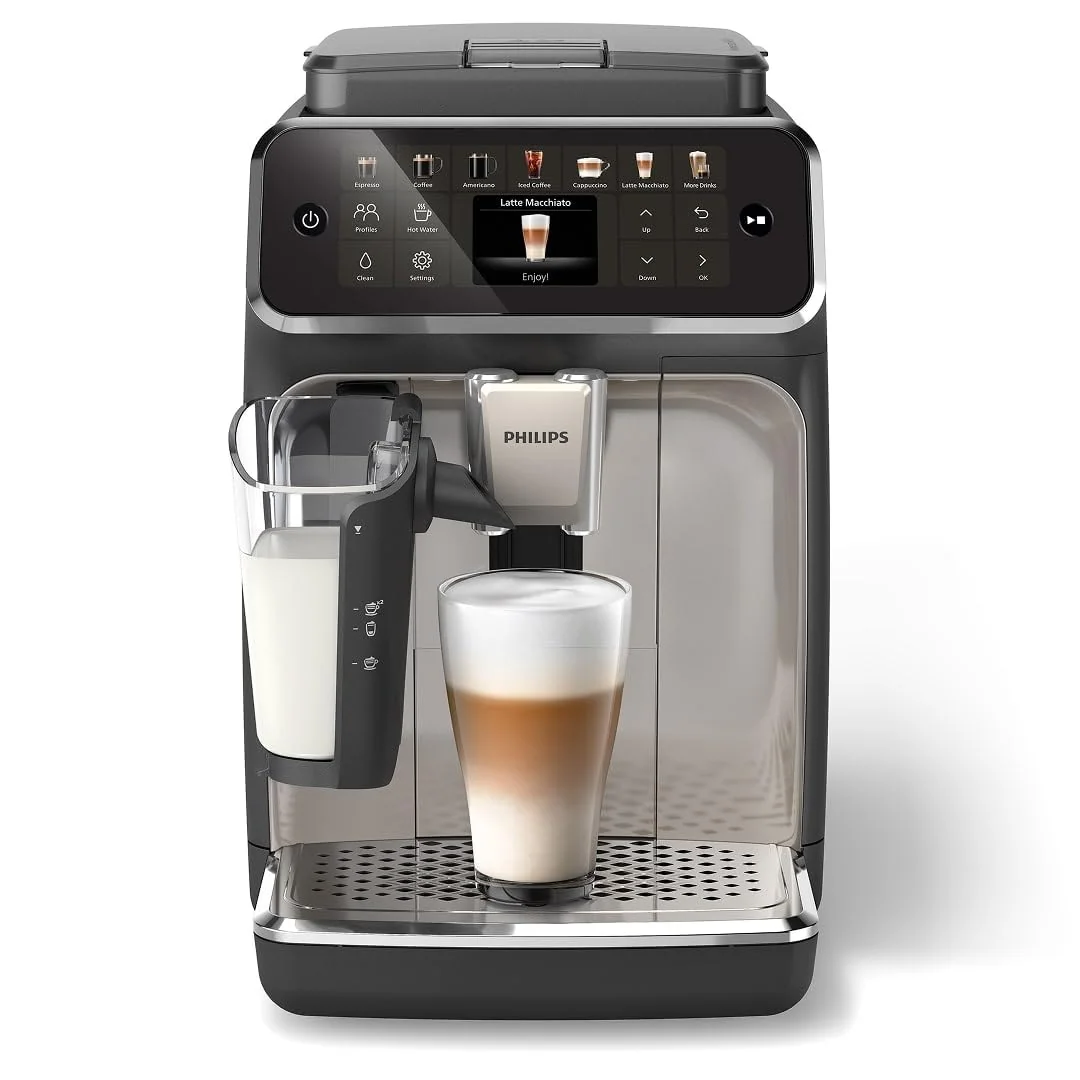
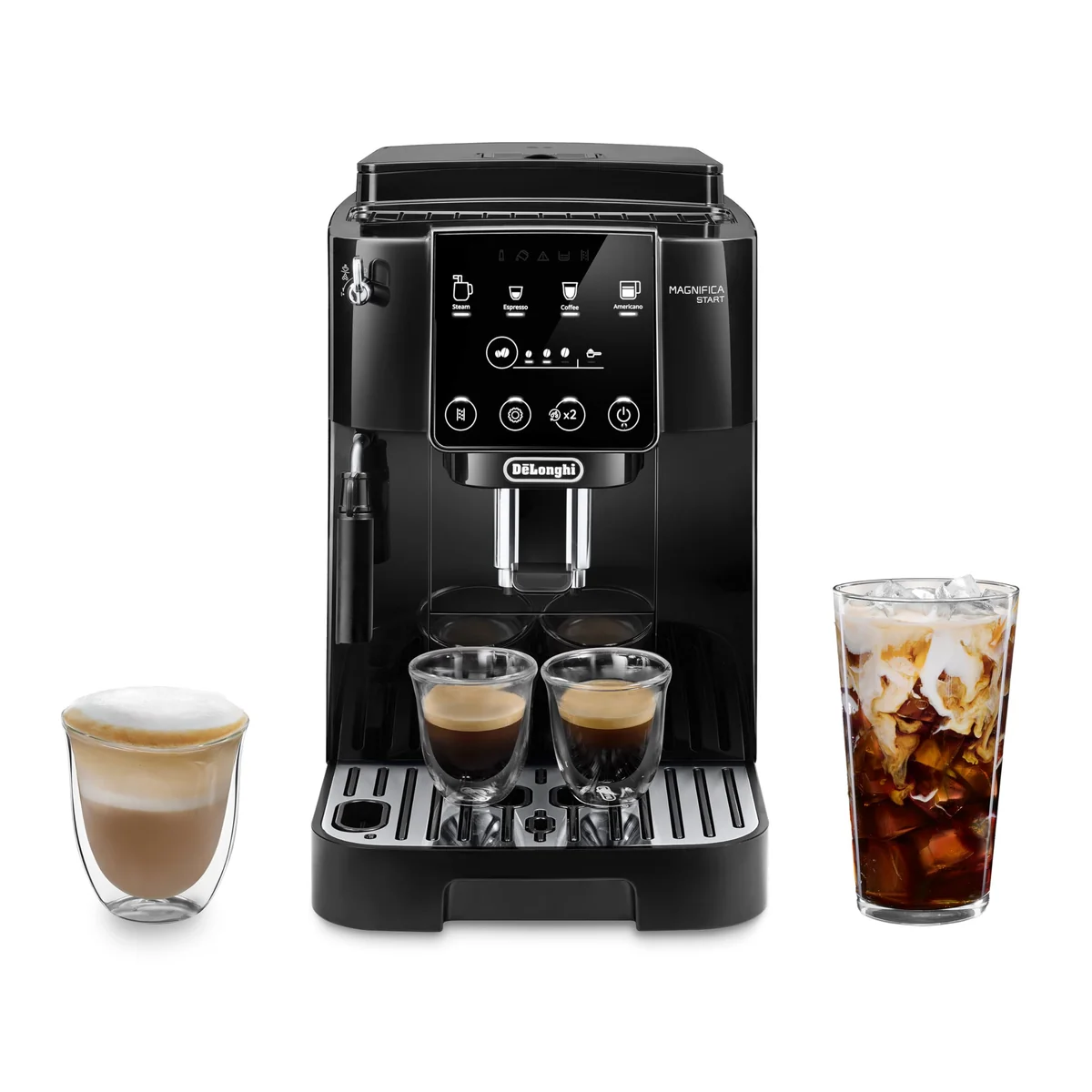
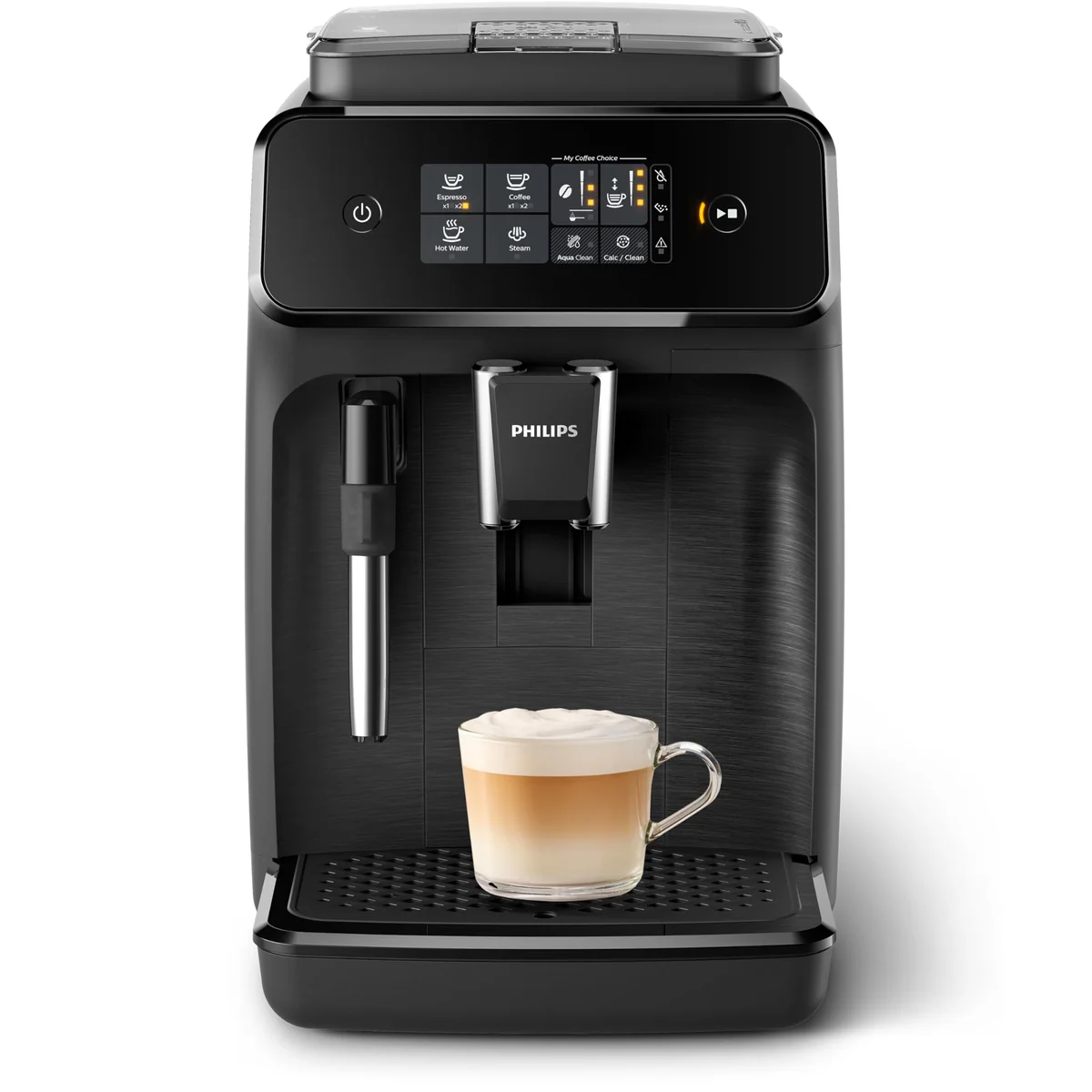
| Feature | Editor's Pick Philips 4400 Series Fully Automatic Espresso Machine – 12 Hot & Iced Coffees, Quick-to-Clean LatteGo Milk System, SilentBrew, QuickStart, Ceramic Grinder, Black Chrome (EP4447/90) (Renewed) | De'Longhi Magnifica Start Automatic Espresso Machine with Manual Milk Frother & Built in Grinder - 3 One-Touch Recipes, Easy-to-Clean, Home Barista Coffee Maker for Lattes, Cappuccino, Iced Coffee | Philips 1200 Series Fully Automatic Espresso Machine, Classic Milk Frother, 2 Coffee Varieties, Intuitive Touch Display, 100% Ceramic Grinder, AquaClean Filter, Aroma Seal, Black (EP1220/04) | Philips 2200 Series Fully Automatic Espresso Machine, Classic Milk Frother, 2 Coffee Varieties, Intuitive Touch Display, 100% Ceramic Grinder, AquaClean Filter, Aroma Seal, Black (EP2220/14) | Philips 2300 Series Fully Automatic Espresso Machine with LatteGo milk system and integrated grinder, 4 Coffee Pre-Sets & Hot Water, 40% Quieter SilentBrew, 15-Bar Pressure, Matte Black (EP2330/10) | Automatic Espresso Machine with 20 Bar Pressure – One-Touch Coffee Maker, Built-in Grinder & Milk Frother, 6 Custom Recipes, 1.5L Water Tank, Auto Self-Cleaning, 120V for Home & Office (Grey) | Kndko Automatic Espresso Machine, 20 Bar Coffee Maker with Grinder and Milk Frother Steam Wand, All-in-One Grind and Brew Coffee Maker, Auto Self-Cleaning, Cappuccino & Barista-Style | UDI 20Bar Espresso Machine with 20 Grind Settings - Touchscreen Control, Auto Grind (Single/Double Cup), Steam & Self-Cleaning, Quick Brew Café-Quality Coffee Maker for Home |
|---|---|---|---|---|---|---|---|---|
| Price Range | $200–$500 | $200–$500 | $200–$500 | $200–$500 | $200–$500 | $200–$500 | $200–$500 | Under $200 |
| Configuration | 12 beverages | Magnifica Evo with Automatic Milk Frother | Aquaclean Sold Separately | Large | 4 Beverages | 7.10"W x 12.40"D x 17.20"H | 1.5L | Compact |
| Finish | Black and Chrome | Silver | Black | Black | Matte Black | Grey | Black | Black |
| Items In Box | 1 | 1 | 1 | 1 | 1 | 1 | 1 | 1 |
| Check Price on Amazon | Check Price on Amazon | Check Price on Amazon | Check Price on Amazon | Check Price on Amazon | Check Price on Amazon | Check Price on Amazon | Check Price on Amazon |
The eight machines, and who each one is actually for
The order below runs roughly from most machine per dollar to least, which is not the same as best. Read the limitation on each card as carefully as the verdict, because on this page the limitations are what separate the machines.
The most machine you can get in this price band, if you can live without a real warranty
A colour screen anyone in the house can read, five strength steps instead of three, twelve drinks including the iced ones, and the easiest milk carafe in the category, at a price the new EP4447/90 never sees.
Ninety days of renewed cover expires well before the rubber gaskets and O-rings that actually fail on this platform start perishing, and nothing in the listing says whether a refurbisher replaced them.
Two things to do the day a renewed unit lands, both of which take five minutes. Open the settings menu and read the product counter, which lists every drink the machine has ever made by type, and you will know at once whether renewed meant open box or meant a year of somebody's mornings. Then reset the grind to the factory position, because a previous owner almost certainly moved it. Read the listing slowly too: it advertises a colour touch screen when the 4400 has a colour display with physical buttons around it, and it shows a 4.5 average drawn from twenty-six ratings, which is a rumour rather than a rating. Our full 4400 LatteGo review covers both listings, and our piece on renewed and refurbished machines covers what to check before the window closes.
The espresso pick, for anyone willing to steam their own milk
It shares its steel conical burr and brew group with De'Longhi machines well above it, arrives with full manufacturer cover rather than a refurbisher's ninety days, and deletes the automatic milk carafe that generates most of the complaints on its siblings.
The maximum dose is small enough that a mug of black coffee comes out thin and anonymous, and the panarello sleeve on the wand makes stiff, big-bubbled foam until you pull it off and learn to steam properly.
Home Coffee Expert, reviewing the pricier Evo, went out of its way to say the Start is similarly priced and brews a better-tasting cup. That is the case for this machine made by someone reviewing a different one, and it is why Espresso Den keeps coming back to it for anyone whose morning is an espresso or a cappuccino rather than a large black coffee. The dissent deserves printing too: Coffeeness wrote flatly that there is no reason to buy the manual milk frother version of the Magnifica Start, a verdict that only makes sense if you are comparing it to a carafe model costing considerably more. Our Magnifica Start review takes that argument apart, and the whole De'Longhi line is untangled elsewhere.
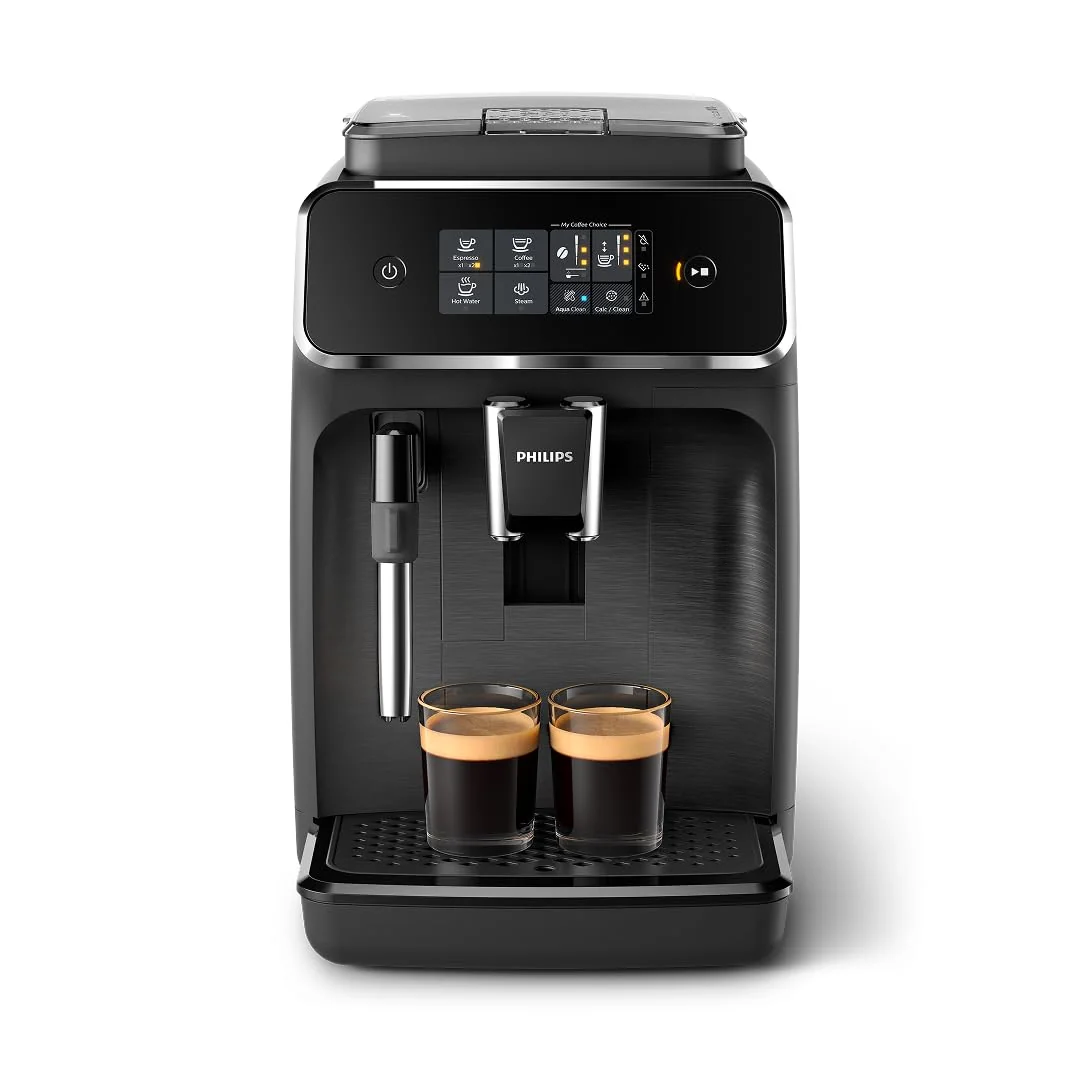
The three Philips machines that follow are, in hardware terms, two machines. The 1200 and the 2200 are the same espresso, coffee and steam wand behind different trim. The 2300 swaps the wand for the LatteGo carafe and adds a cappuccino button, which is the only difference on this page that changes what your mornings look like.
The cheapest door into Philips hardware, worth buying only when it undercuts the 2200
Espresso, coffee, hot water and a manual steam wand on the same brew group and ceramic burr Philips fits several rungs up, with a front-loading tank that matters if the machine lives under a wall cabinet and a brew group that slides out for a rinse with no tools.
The AquaClean filter named in the product title is not in the box on the US EP1220/04, and the two-cup button runs two complete cycles with two rinses rather than pulling a double, so using it for one mug dilutes and cools the drink.
Philips states in its own specification for this model that the filter is not included, which is worth knowing before the five-thousand-cups line in the title does its work on you. The other thing owners of this machine learn the hard way is that beans decide more than settings: one buyer got nothing but sludge and watery brew from an oily medium roast, switched to a darker and less oily one, and got solid puck discs and rich coffee out of the same machine on the same settings. The full 1200 Series review has the rest, and the 1200 against the 2200 is the comparison people actually search for.
The same machine as the 1200 with better trim, and the better buy whenever it is the cheaper of the two
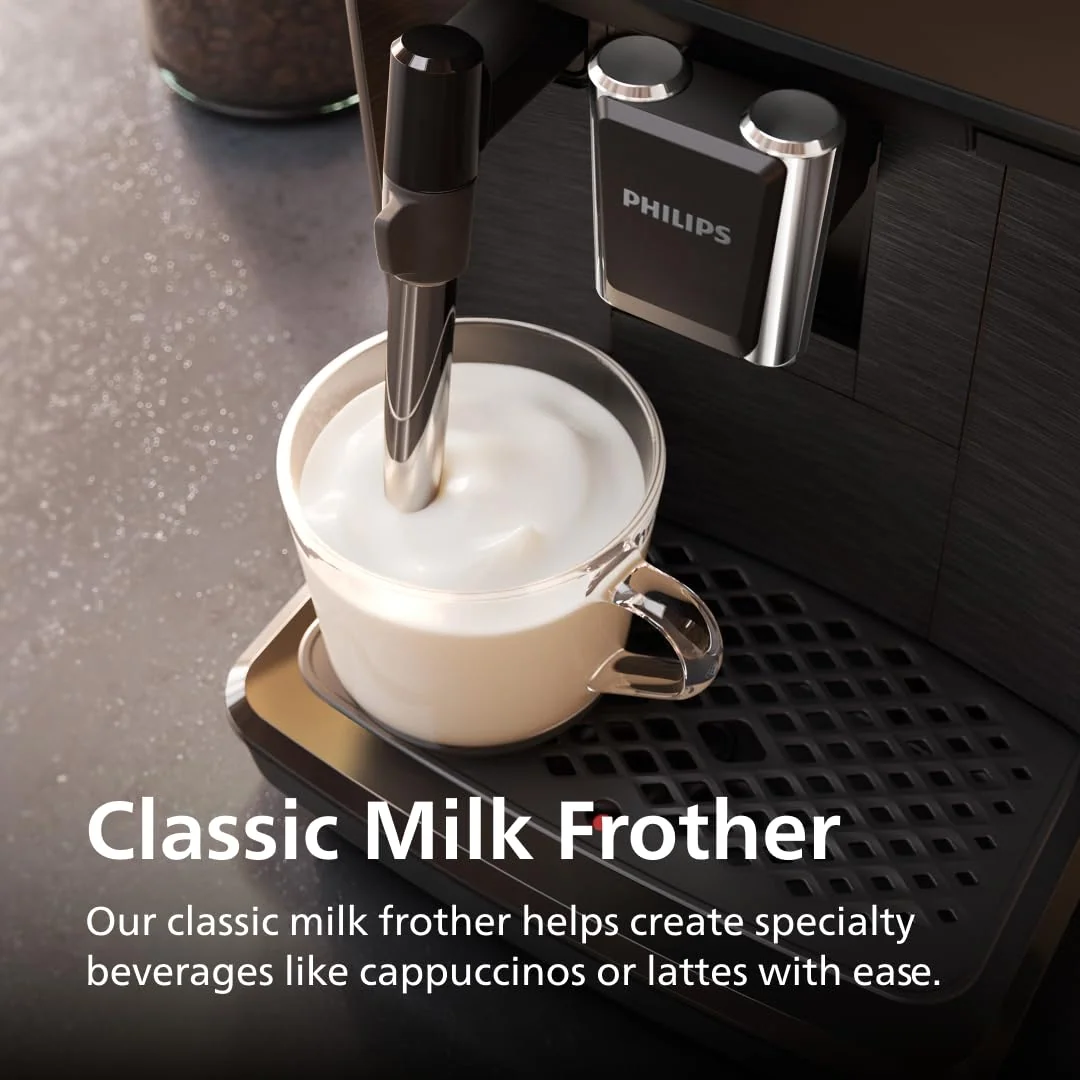
Three buttons, a sealed hopper large enough that one owner refills beans about every ten days, and a steam wand that makes genuinely silky milk once the frothing sleeve comes off it.
Two owners independently report water pooling under a brand-new machine, one of them across more than one unit of this model, so brew on day one and look underneath before your return window starts closing.
Coffeeness settles this machine's grind at three of twelve and refuses to go finer, on the grounds that an economy machine is susceptible to blockages and overloaded pumps, and it also notes the honest thing about the build: every visible surface is plastic, down to the drip tray cover that the mid-range models do in metal. Two more things from owners. Some boxes arrive with no printed instructions at all and a QR code that lands on an empty page, which is why so much of this product's search traffic is people hunting for a manual. And the listing's claim that the machine pays for itself in about three months holds only if you were buying a shop drink every single day, and only if beans, milk, filters and descaler are free. Our 2200 Series review works through the rest, and the 2200 against the 3200 is where the LatteGo question gets decided.
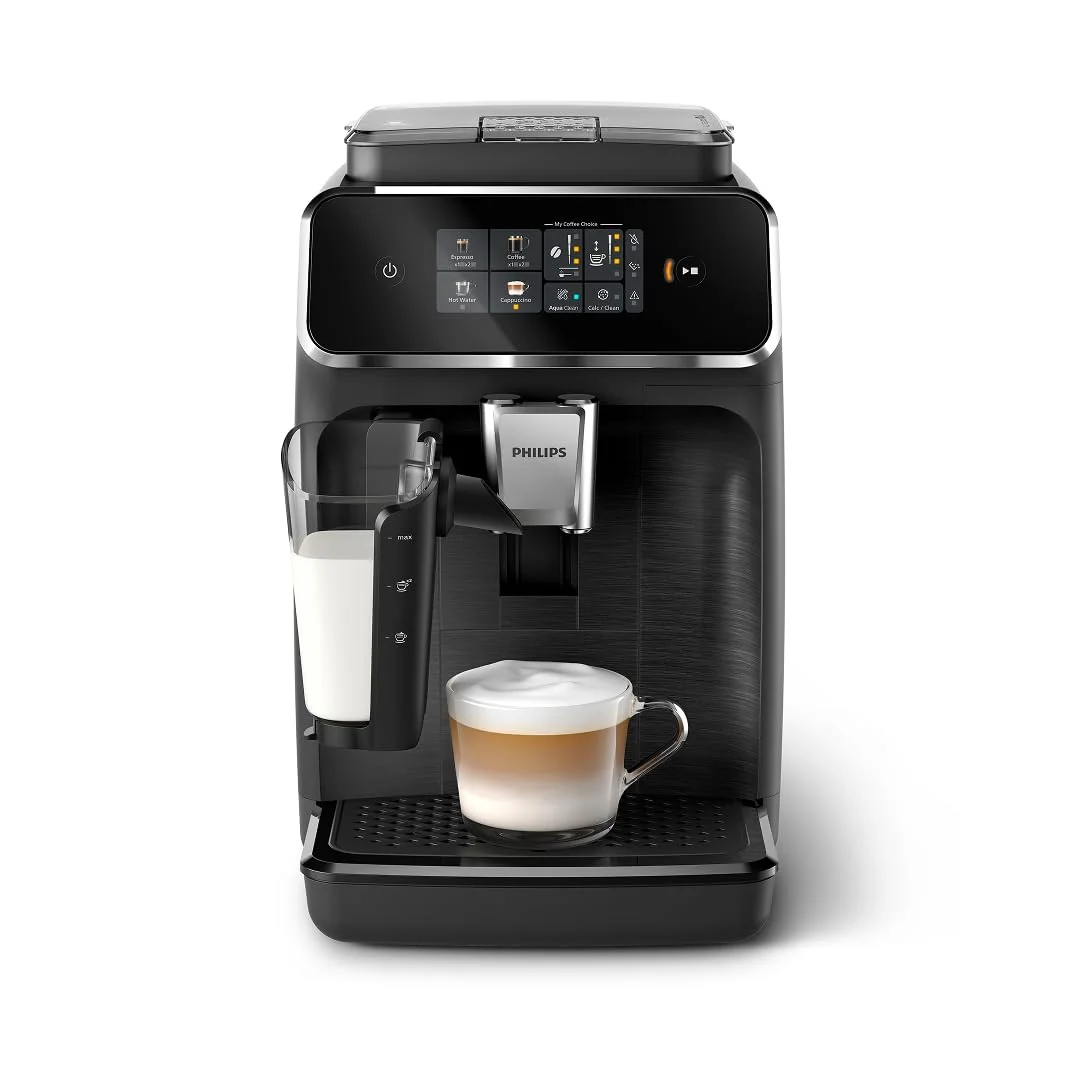
The one-touch cappuccino machine for people who will not clean a milk hose
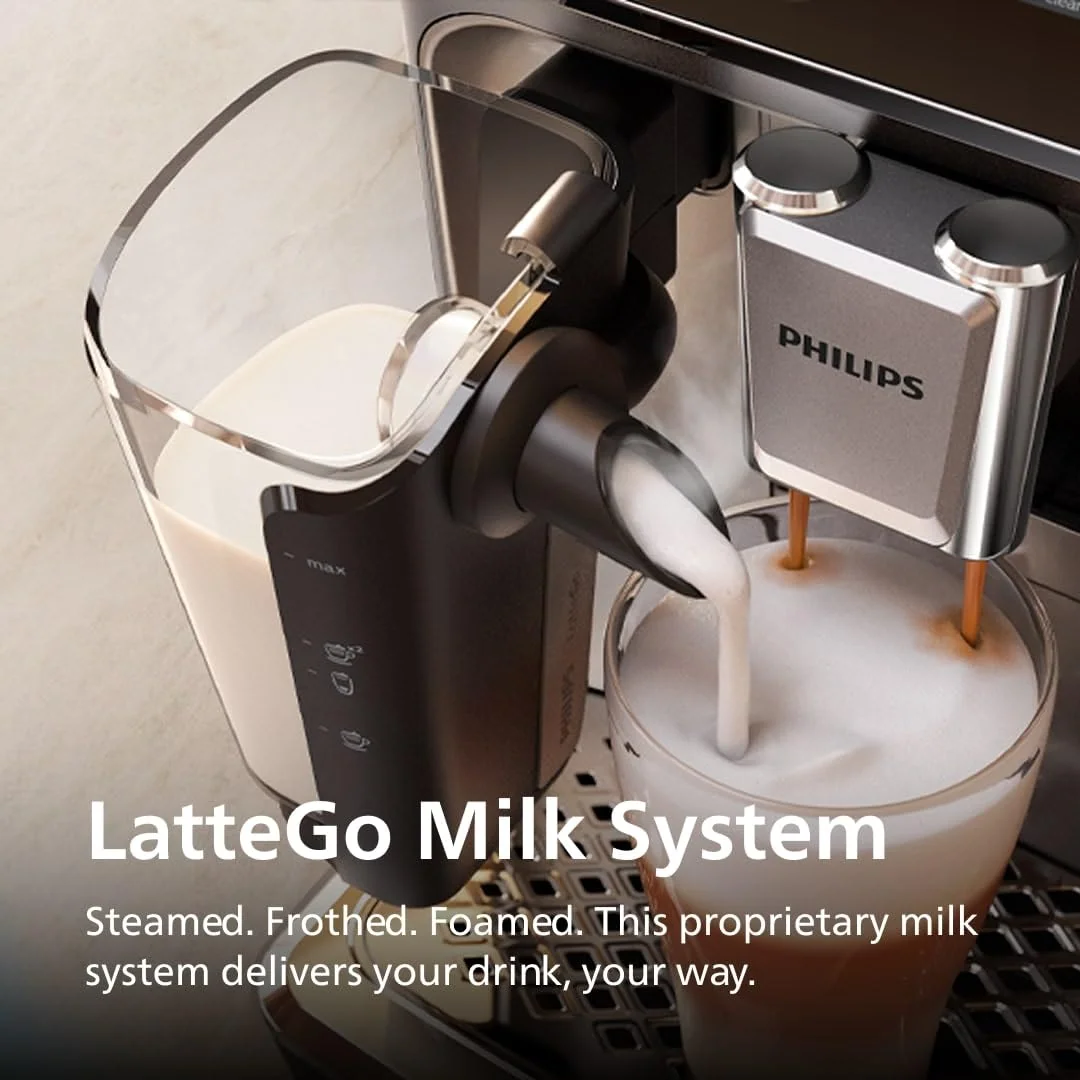
LatteGo is two pieces of plastic with no tube and no hidden milk path, which is the difference between rinsing the milk system now and finding it tomorrow.
Four presets is the thinnest drink list in the LatteGo family and there is no americano among them, and owners report water leaking from the back of the machine during steaming, where the drip tray cannot catch it and you cannot see it.
That leak is not a rumour. One owner's machine soaked through a rubber mat and ruined a wooden coffee bar before anybody saw the water, and the same owner still calls the espresso it makes great. The listing sits at 3.7 across a couple of hundred ratings, which is soft for Philips and soft for the category, and the distribution behind it is genuinely bimodal rather than mildly disappointing throughout. Buy it on something waterproof, pull it forward once a week and look. Our 2300 LatteGo review goes further, the 2300 against the 3300 is the upgrade question, and the Bosch 300 Series comparison is the steam-wand alternative at similar money.
The last three machines are a different proposition entirely. All of them are new listings from brands with no coffee lineage, no parts catalogue and no independent testing, and the question with each is not whether the coffee is acceptable but what year two looks like.
A genuine bean-to-cup with a removable brew unit, sold by a brand with no track record at all
Six real one-touch drinks named by an owner rather than by a copywriter, an adjustable grinder, and a brew unit that lifts out for cleaning, which is a feature owners treat as a quality marker on machines costing several times as much.
There is no temperature adjustment of any kind, one of the eight written reviews is a milk frother that stopped working within weeks, and we could find no parts diagrams or spare gaskets for this model anywhere.
The owner who gave it two stars is the most useful voice on the listing: a month in, he had had multiple funky tasting drinks, concluded that temperature control was what he needed to settle them, and added that the gasket on the brew unit's tamp face cannot be got properly clean. That is a narrow toolkit for fixing a bad cup. The listing does not help, repeating its pressure figure ten times and arguing that 1350 watts makes the machine quiet. Our GarveeTech review audits the bullets one by one.
A real brew group married to a manual steam wand, and a record that begins and ends on Amazon
The wand hands milk temperature and texture back to you, which is a genuine advantage over the mediocre automatic frothers this price band usually fits, and there is no carafe to fill, store or unclog.
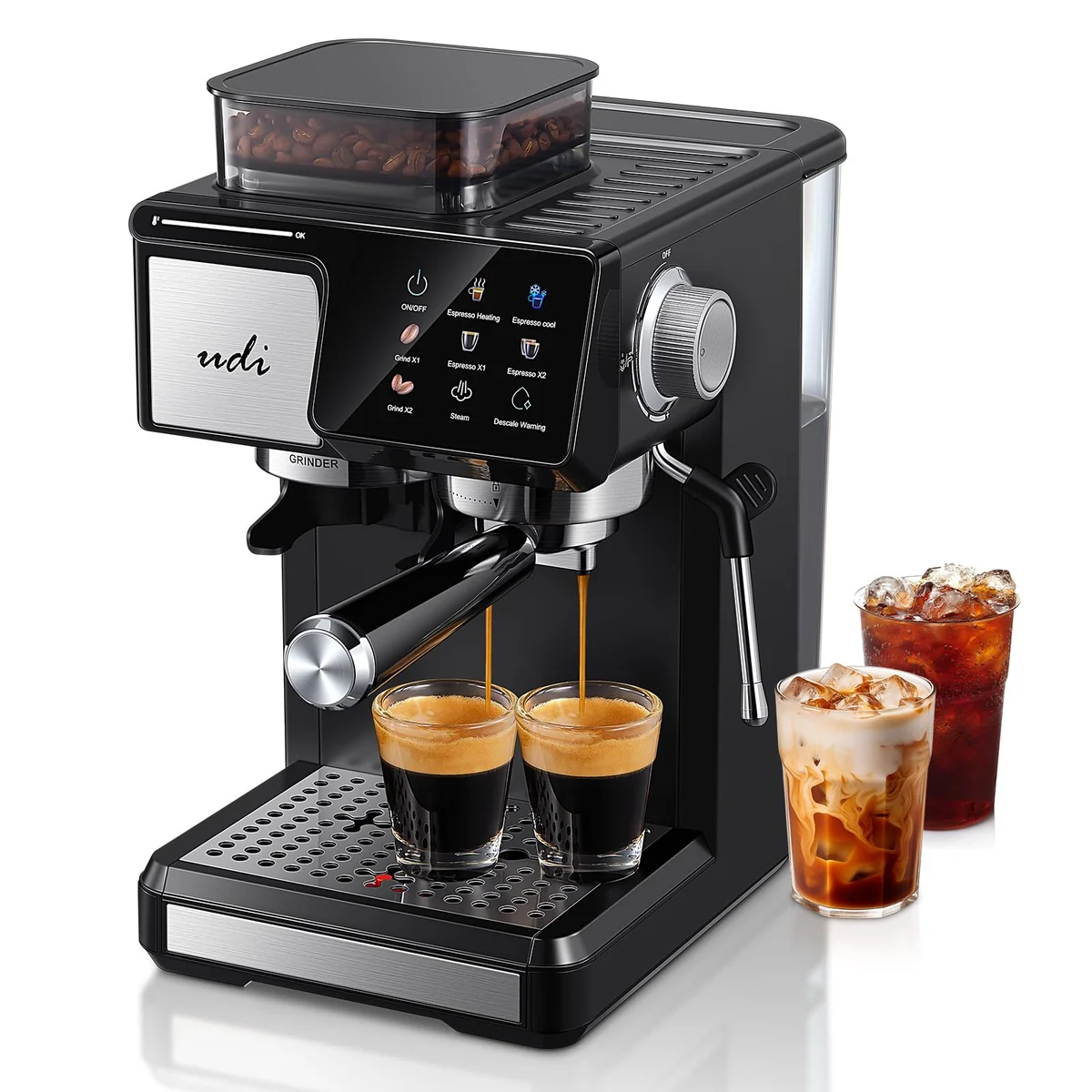
The listing sells one-click cappuccino two bullets away from a manual steam wand, publishes no dose, tank size, hopper size, wattage or warranty length, and rests its rating on ten ratings.
Those two claims cannot both be true in the sense a buyer will read them, because a machine with a wand you hold cannot make a cappuccino at one touch: it pours the espresso and then waits for you. Everything else Kndko declines to publish is information a manufacturer that has measured its own machine could simply print. Our Kndko review includes a first-week checklist of the things to measure yourself while returning it is still free.
Not a super-automatic at all, and the only machine here we would talk you out of
The built-in burr grinder genuinely works, and the shield that covers the filter basket while it runs is a real piece of design thinking that keeps grounds off the counter.
The most careful reviewer on the listing measured the brew water at around 140°F and the finished drink falling below 150°F, which is a thermal fault that no grind setting, bean or technique can fix.
It is also a portafilter machine that you dose, tamp and steam by hand, sold on the super-automatic shelf, so a large share of the people who find it are not shopping for what it is. The same reviewer rounded their stars up because giving it three or four would not be fair at the price, then told anyone who is a stickler for near-perfect espresso to look elsewhere, and a second owner returned it because the espresso was cold by the time the milk was warm. The listing's talk of decades as the silent architects of exceptional espresso is unverifiable, which for a buyer amounts to much the same thing as untrue. The full UDI review lays out the evidence, and what the bar number actually tells you disposes of the headline.
How Espresso Den judged these
We have not had any of these eight machines on a bench, and nothing on this page is a measurement we took. What this roundup is built from is each product's own listing read closely, every customer review Amazon retains on it, the published reviews from outlets that have handled these machines or their immediate siblings, and several years of owner discussion about the Philips and De'Longhi platforms. Every figure quoted belongs to whoever produced it and is attributed where it appears. Where the sources disagree, and on the dose, the break-in and the correct grind setting they disagree sharply, we have shown the disagreement rather than picking the tidier number.
Two things we do not think a buyer should take at face value. The first is the star average on the Magnifica Start listing, because Amazon pools its reviews with an automatic-carafe sibling: several of the most enthusiastic entries name the Evo outright, praise an automatic milk frother or describe a self-cleaning milk nozzle, and one one-star review complains that the machine never recognises the frother, which is a sensor on a carafe this model does not have. Read the words and discard anything mentioning a carafe, a milk container or a detection problem, and what is left is a smaller, duller and much more useful pile.
The second is any star average built on a handful of ratings. On a new listing from an unfamiliar brand, check whether the reviews carry Amazon's Vine tag before you let the number carry weight, and note that on the machines here with the smallest samples, the least flattering reviews are consistently the ones from owners who kept the machine longest. That is the opposite of a durability record. More on how this site works is on our about page, and the rest of our coverage sits in the resources index.

What five hundred dollars buys, and what it never will
Three decisions decide which of these machines you should own, and none of them is about espresso quality, because espresso quality on this page is roughly fixed. The first is the milk. The second is who fixes it. The third is whether you will do the ten minutes a week these machines need, which is the difference between four years and four months.
The milk system is the actual purchase
| System | On this page | What it does well | What it costs you |
|---|---|---|---|
| Manual steam wand | Magnifica Start, Philips 1200 and 2200, Kndko, UDI | You decide the temperature and the texture, and the wand pops off and rinses in seconds | A two-stage drink, a skill to learn, and foam that stays bubbly until the panarello sleeve comes off |
| LatteGo carafe | Philips 2300 and 4400 | Two parts, no tube, no hidden path, rinsed under a tap in ten seconds or put in the dishwasher | Exactly one milk texture, tuned for cappuccino, so the finer drink names are volumes rather than distinct drinks |
| Milk tube into a carton | GarveeTech | Nothing to fill or store, and you dunk the tube straight into the milk you already own | The hygiene burden of both other systems, and on one of eight written reviews it is the part that failed |
If milk drinks are the entire point of the purchase, that table is your decision and our longer piece on which milk system you will live with is the one to read next. If you drink your coffee black, the whole column collapses and you should be choosing on dose instead, which points at the De'Longhi and is the argument in our picks for black coffee drinkers.
Nothing here fills a mug, and that surprises people
Tom's Coffee Corner has timed the grinder across De'Longhi's line and puts the Magnifica Start's three strength steps at around seven seconds of grinding at the top, in the region of ten grams, where machines further up the range keep going. Ten grams into a small cup is a good ratio. The same ten grams stretched across a mug is not, and that single fact is the mechanical cause of almost every complaint on every listing here about weak, watery, anonymous coffee. On the Philips side the symptom is the same and the numbers are similar. One 2300 owner wanted a machine that would fill a travel mug, found the latte preset dispensing about three ounces, and needed four presses.
So budget two cycles for a large drink, or brew short and lengthen it with hot water from the wand, which also preheats the cup. Our explainer on why bean-to-cup espresso comes out watery works through the whole diagnosis, and what these machines can do with filter-style coffee is the honest answer for anyone whose morning is a mug of black.
The settings that fix a thin shot on every Philips here
| Control | Where to put it | Why |
|---|---|---|
| Grind | Two to four notches from the finest of twelve, one step at a time, only while the grinder is actually running | Turning the dial with the burrs stopped risks seizing them, and any change takes two or three brews to reach the cup |
| Strength or aroma | Maximum, then back off if it turns harsh | It is a dose control despite the name, and dose is the thing you are short of |
| Volume | Lowest | Flavour concentrated into a small cup beats the same flavour stretched across a large one |
| Temperature | Highest | The factory setting is the middle step, and hotter water pulls more out of a light dose |
| Milk drinks | Press espresso again into the finished cup | The cappuccino preset pulls a single shot, which is why it tastes weaker than the one you were copying |
| Beans | Medium to medium-dark, matte rather than shiny | Light roasts are too dense for a grinder that cannot go truly fine, and oily beans bridge in the hopper and gum the chute |
The grind rule is the one that costs money to get wrong, and it comes from owners of this platform rather than from the manuals. The bean rule is the one that flips outcomes fastest, as the 1200 owner who switched roasts discovered. If you want more, our guide to the Philips hidden menus and warning lights covers where these settings live and what the unlabelled icons mean, and the bean guide covers what jams a grinder.
Do the dial-in inside the return window, not after it
Every machine in this category ships with a warning that the first cups will be thin while the system settles, and the numbers people give range from a dozen to a hundred. Espresso Den's blunt reading is that a break-in period with a range that wide functions as an unfalsifiable excuse, and it has one practical consequence you must plan around: a return window is often thirty days, and a hundred-cup break-in eats it. Run twenty cups through the machine hard in week one on cheap beans, apply the table above, and make the keep-or-return call early rather than politely.
Water where it should not be is the failure this price band actually has
Read the one-star reviews across these listings and the pattern is not the coffee. On the 2200, one reviewer has bought the model three times: the first arrived with an internal leak, the second ran about four years before developing one, and the third arrived producing no coffee and water under the machine, while a second owner reports the same day-one symptom independently. On the 2300 the leak comes from the rear during the steam cycle, which is worse, because the drip tray never sees it. Both machines are made by a company with a long record, which tells you this is a price-band problem rather than a brand problem, and it is the strongest argument on this page for buying from a retailer whose returns you trust. Our piece on how long these machines last and what breaks first sets out the odds, and the cleaning and descaling routine is what decides which tail you end up on.
One correction to keep in view while you read all that. For every person posting about a leak there are a great many quietly making coffee, and the two big Philips listings have over a thousand ratings each for a reason. The point is not that these machines fail, it is that when they do, ninety days of renewed cover on a discounted 4400 is a bet you should take knowingly rather than accidentally.
Frequently Asked Questions
Are all eight of these actually super-automatic machines?
Seven are, in that they grind, dose, tamp, brew and eject the puck for you, while the UDI is a portafilter machine you dose and tamp by hand that happens to be listed in the same category.
Is the Philips 800 Series the same machine as the 1200?
In hardware terms yes, because the 800, the 1200, the 2200 and the Carina are the same brew group, grinder and drink list sold under different badges for different retail channels, so buy on price rather than on model number.
Is the 2200 worth paying more for than the 1200?
Only for the trim, since it is the same brew group, the same grinder and the same drinks, which is why the sensible rule is to buy whichever of the two is cheaper when you look.
Should I stretch past this page and buy a 3200 or a 3300 instead?
Stretch only if you want the LatteGo carafe, more presets and a proper display, because the coffee will be the same and the full walk up the Philips ladder explains where the extra money stops meaning anything.
Is a renewed machine a sensible way to get more machine for the money?
It is, provided the discount is large enough to fund your own insurance policy, because what you are trading is years of manufacturer cover for a price cut on a platform whose known faults mostly arrive after ninety days.
Does a 20 bar pump make better espresso than a 15 bar one?
No, because that figure describes what the pump can generate against a closed valve rather than what reaches the coffee, and espresso is extracted at around nine bar regardless of what the box says.
Do I still have to descale a Philips if I use the AquaClean filter?
Yes, eventually, because the five-thousand-cup claim assumes you replace the filter every time the machine asks and that your water hardness is what you told the machine it was, so treat it as a long interval rather than a reprieve and read what the claim actually depends on .
Which of these is quietest?
Nobody has measured them against each other, though Coffeeness put the Magnifica Start's grinder at 75.9 dB with a shrill note on every cycle, and the SilentBrew models here quiet the grinder rather than the pump, so our page on the quietest machines is the better guide if silence is a hard requirement.
Can two people drink decaf and regular from the same machine?
Only by giving one person the hopper and the other the pre-ground bypass chute and a scoop, which works but is the least reliable function on most of these machines, as our guide to pre-ground and decaf explains.
Are these machines worth it at all, or should I keep the pods?
Against pods the case is straightforward on both cup quality and running cost, and against a portafilter it depends entirely on whether you want a button or a hobby, which is the argument in whether super-automatics are worth it .
Our Top Pick
The Philips 4400 Series Fully Automatic Espresso Machine – 12 Hot & Iced Coffees, Quick-to-Clean LatteGo Milk System, SilentBrew, QuickStart, Ceramic Grinder, Black Chrome (EP4447/90) (Renewed) is our #1 recommendation — .
Check Price on Amazon: Philips 4400 Series Fully Automatic Espresso Machine – 12 Hot & Iced Coffees, Quick-to-Clean LatteGo Milk System, SilentBrew, QuickStart, Ceramic Grinder, Black Chrome (EP4447/90) (Renewed)Sources (7)
- Amazon listings and customer reviews
- Owner reports across r/superautomatic threads
- Owner and reviewer video, 2 channels
- Homecoffeeexpert — Article — homecoffeeexpert.com
- Coffeeness — Article — www.coffeeness.de
- Philips — Article — www.usa.philips.com
- Tomscoffeecorner — Article — tomscoffeecorner.com