The Gaggia Brera is still a decent little machine, which is not the same thing as still being a good buy
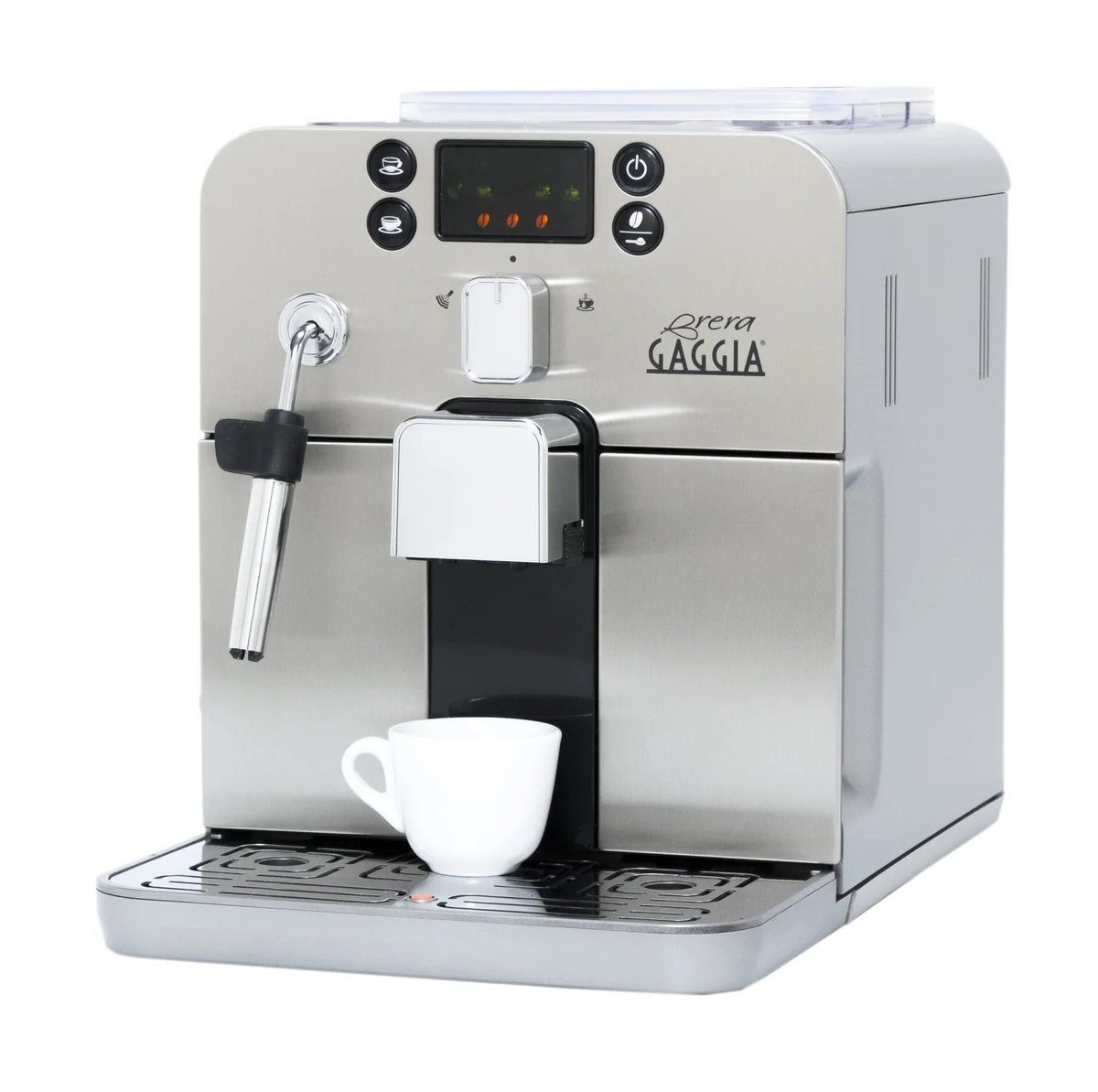
Buy the Brera if you are stepping up from pods and want a genuinely small machine that grinds, brews and then leaves you alone; skip it if you want one-touch milk drinks, big mugs of long coffee, a tall travel cup to fit under the spout, or a machine whose asking price still matches the bargain reputation it earned a decade ago.
Based on 1500 owner ratings, 10 owner discussions and 2 other sources. We have not tested this machine ourselves.
We earn a commission if you buy through our links, which does not affect what we say.
Read how this site works →
Who should still want one
The buyer this machine is genuinely right for is easy to describe, because she filmed herself. An owner who had just moved off a Nespresso explained her whole reasoning in one line: it is really easy to use, and that was the main thing they wanted. Pod drinker, small kitchen, wants fresh beans and one button, does not want to become a person with opinions about extraction. For her the Brera does the job and the milk wand is a bonus she may never use twice. The same goes for anyone who described it, as one owner did, as a good entry-level machine that is quick and that the other person in the house will actually operate.
Walk away in four cases. If you want a latte at the press of a button, this is the wrong machine and no amount of practice with a Pannarello changes that; go and read the milk-drink recommendations or the Philips 3200 LatteGo review instead. If your household lives on large mugs of black coffee, see above. If you drink out of a travel cup, measure first. And if what actually attracted you was the Gaggia name, be clear about which Gaggia you meant: the Classic Pro is a semi-automatic you tamp yourself and modify endlessly, a completely different animal with its own well-documented temperature quirks, and owners of that machine will happily tell you it is rock solid and that it has temperature issues in the same breath. Buying a Brera because you read good things about a Classic is the most common mistake in this brand's search results.
One tactic worth stealing, from someone who nearly bought blind: they went to a department store and drank a cup from each machine on the floor, and the reaction underneath their post was another shopper realising they had just bought one without it ever occurring to them that this was possible. Taste before you buy if you can. Failing that, understand what you are choosing between, which is the whole point of our piece on whether these machines are worth it at all.
The verdict stands where it started. The Brera has not gone bad; the market around it moved and its price sometimes did not. As the cheapest way into fresh-ground, one-button espresso in a small space, it is still a fair buy and a well-liked one. At anything approaching modern mid-range money, it is a fifteen-year-old design with a manual wand and a one-year warranty, and you should buy something else.
Buy the Brera if you are stepping up from pods and want a genuinely small machine that grinds, brews and then leaves you alone; skip it if you want one-touch milk drinks, big mugs of long coffee, a tall travel cup to fit under the spout, or a machine whose asking price still matches the bargain reputation it earned a decade ago.
Best for: A compact two-button bean-to-cup from the iPad era, a manual steam wand, a one-year warranty and a 3.8 average from more than fifteen hundred buyers: here is who should still want one in 2026, and who should not.
The Brera is old. Not vintage, not collectible, just old in the way kitchen appliances get old when nobody bothers to replace them: the design dates from around 2010, the reviews that still rank for it were written years ago, and the machine on this listing is the same silver 59100 that Gaggia has been quietly shipping ever since. What it is not is abandoned. It still sits inside the top fifty of Amazon's super-automatic category, and it carries a 3.8 average from 1,549 ratings, which is a lot of buyers for a machine most current buying guides no longer bother to include.
Sit with that 3.8 for a second, because it is the most honest single number on the page. It is not a disaster and it is not a recommendation. It is the score of a machine that a large number of people got along with perfectly well and a meaningful minority did not, and the gap between those two groups turns out to be almost entirely explainable. Most of this review is that explanation.
The question is still being asked out loud. Somebody opened a thread in the super-automatic subreddit this month titled simply as a query about whether the Brera makes sense in 2026, and it drew two comments. That is the shape of the problem in miniature. The machine has not got worse. The shelf it stands on has got considerably better, the conversation has moved to Philips and De'Longhi, and the Brera's price has not always moved with it.
Key Specifications
Two buttons, a bean dial, and a wand you work yourself
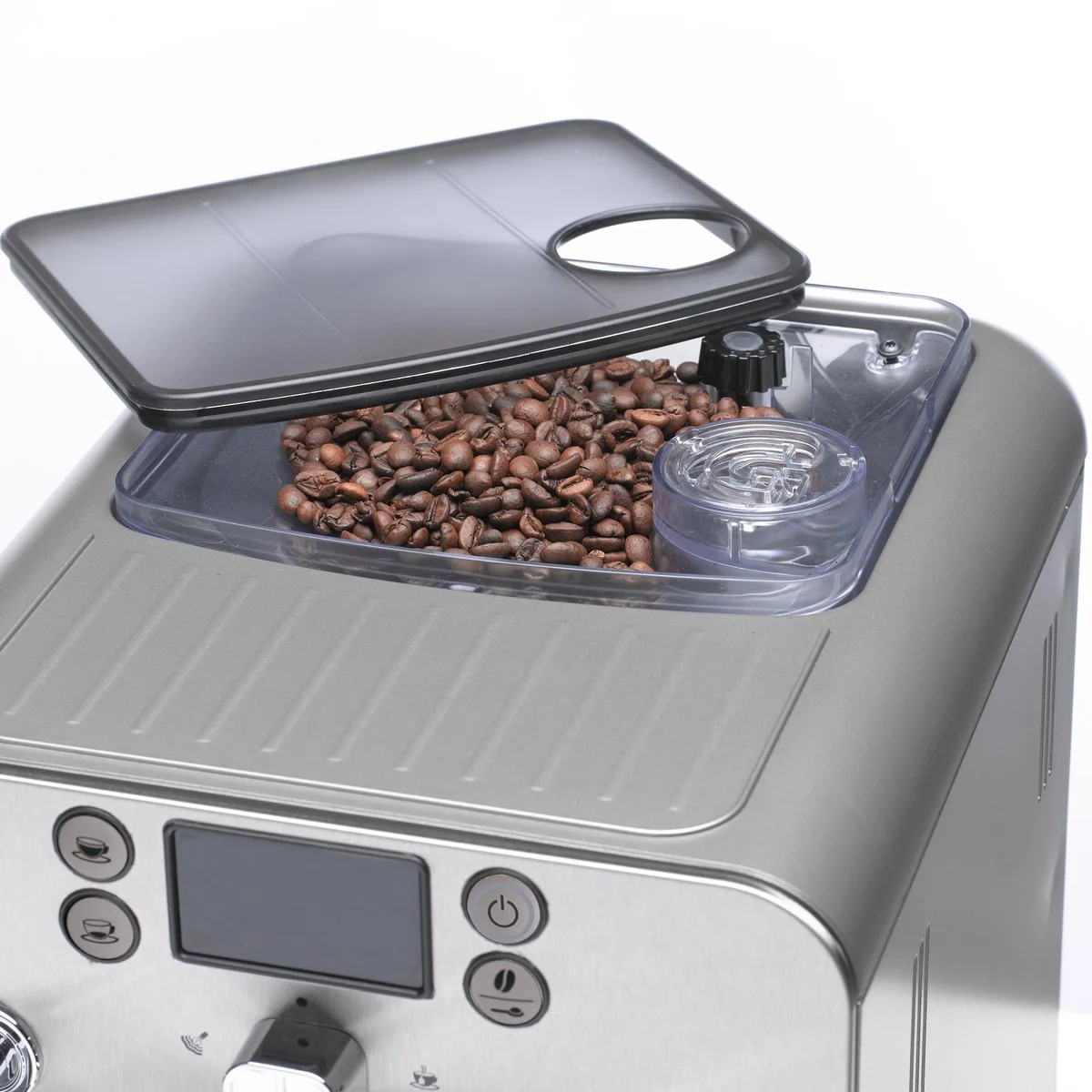
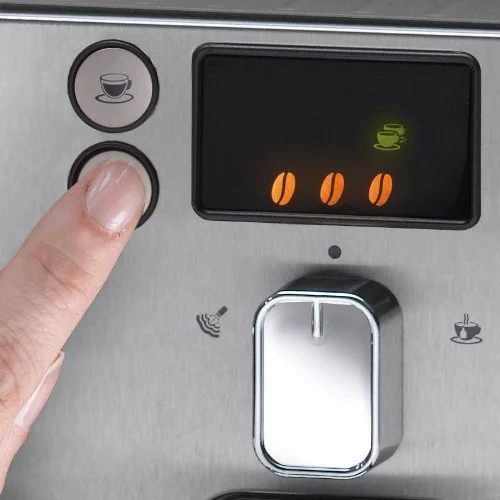
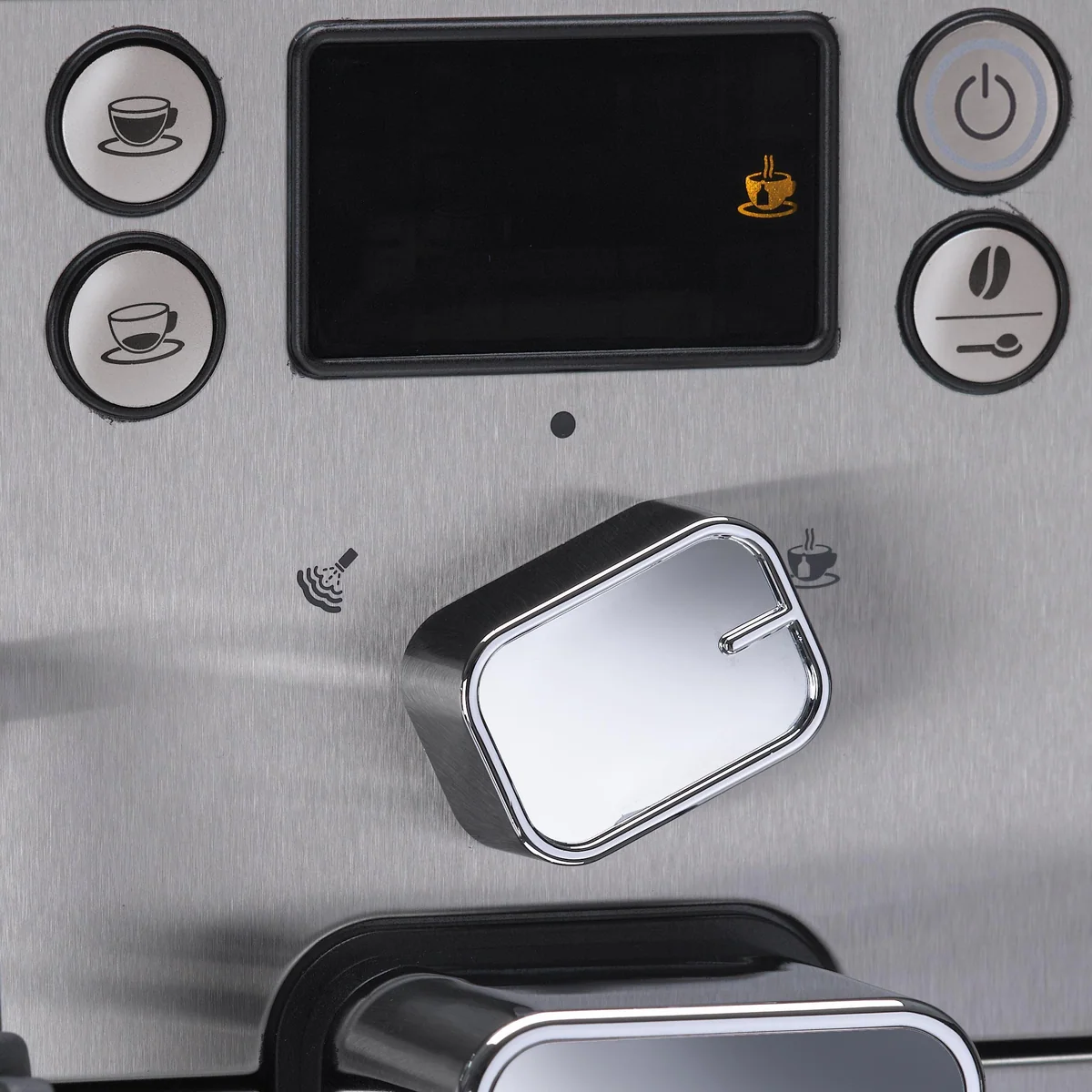
There is very little machine here, and that is deliberate. You get a front panel in brushed stainless, a 250 g bean hopper, an LED display with illuminated icons, and push-button controls that an owner filming her own kitchen walked through in about forty seconds: two buttons for a full or a half cup, bean symbols for strength, and a dial that switches the machine between coffee and steam. The dregs drawer, drip tray and water tank all come out of the front, which matters more than it sounds when the machine is pushed under a wall cabinet.
Compactness is the Brera's one genuinely uncontested virtue, and it is corroborated by every kind of source there is: the manufacturer says it, reviewers say it, and owners say it unprompted, including one who described it as taking very little counter space and being, in their words, completely adorable. If your constraint is the 15 inches between worktop and cupboard, this remains a real candidate, and it belongs in the same conversation as the rest of the compact bean-to-cup machines worth a small kitchen.
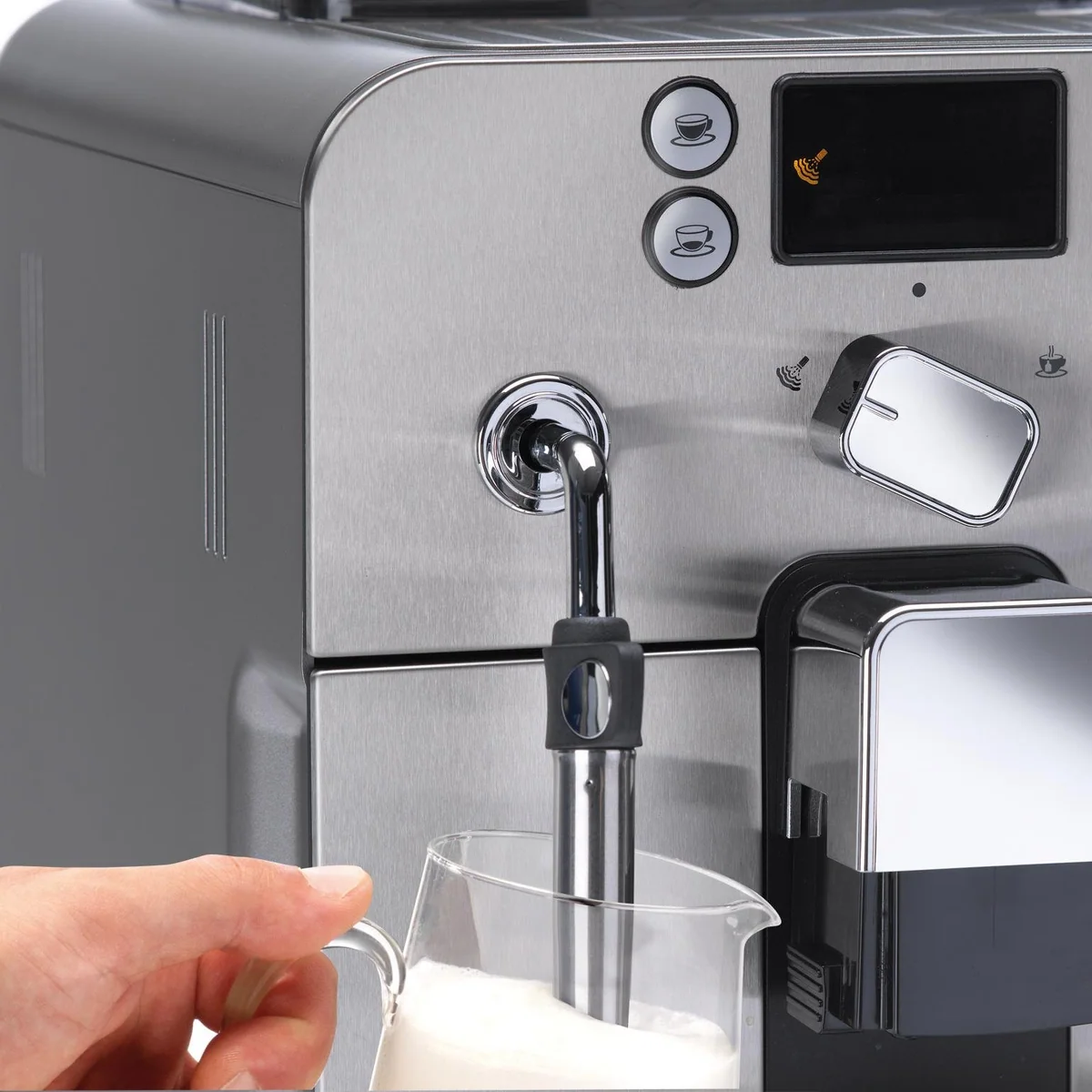
Milk is where the age shows. The Brera froths through a Pannarello wand, the sleeved kind that pulls in air for you, and the same wand doubles as the hot water spout for americanos and tea. A Pannarello makes stiff, bubbly cappuccino foam easy and silky flat-white microfoam hard, and either way you are standing there holding a jug. Nothing on this machine pours milk into your cup at the press of a button. If that sentence disappoints you, read the case for each kind of milk system before you go any further, because it is the single biggest gap between the Brera and everything newer.
Espresso Den went through the listing claim by claim, because this particular listing does more selling than describing.
| The claim | Our reading |
|---|---|
| Goes "toe-to-toe with the industry's heavyweights" | No. It went toe-to-toe with cheap machines, at a cheap price, in about 2015. |
| "Much more space efficient than most machines in its class" | Holds up, and is the reason to consider it at all. |
| Wand doubles as a hot water dispenser | True, and it is how you make an americano here, which is also the drink this machine is worst at. |
| "Easy and intuitive" push-button controls | Half true: intuitive for the two things it does, opaque the moment you want a double shot or a different volume. |
| Cup height 3.25" to 4.5", which "ensures maximum flavor and aroma extraction" | The measurement is real and limiting. The reasoning is invented; cup clearance has nothing to do with extraction. |
| One year warranty, handled by Gaggia directly | True, and short for this class of appliance. |
Measure your favourite mug before you buy. Four and a half inches of clearance rules out most travel cups and a good many of the tall latte glasses people have bought precisely because they got a coffee machine.
Strengths & Limitations
Strengths
- It is genuinely small, and slides under a wall cabinet where most bean-to-cup machines will not.
- Grinding, dosing and brewing happen behind one button press, which is exactly what people leaving pods behind are buying.
- The steam wand doubles as a hot water spout, so tea and americanos do not need a second appliance.
- The brew group is removable and the tank, tray and dregs drawer all come out of the front, making routine cleaning about as painless as this category gets.
- A fifteen-year production run and a large secondhand supply mean parts, manuals and other owners' hard-won advice are all easy to find.
Limitations
- Milk is entirely manual through a Pannarello wand, so there is no one-touch latte and no carafe.
- Long coffees are made by pushing more water through the same puck, which is why so many owners describe their lungo as watery.
- The single/double and volume-programming logic is undiscoverable enough that owners strip the brew group before finding it.
- Cup clearance tops out at 4.5 inches, which rules out travel mugs and tall glasses.
- The warranty runs one year on a machine that owners expect to keep for five or more.
- Its 3.8 average across 1,549 ratings is mediocre for the money it is often asked to command today.
Why owners think theirs is broken
In August an owner posted a photograph of their shot to r/superautomatic under the heading that they were at their wits' end. Their description: "It's starts out looking fine and then gets SO WATERY and the flavor is horrible." They had cleaned the brew group, adjusted the grinder, run cycle after cycle, and bought fresh local beans, and they still could not work out what was wrong with the machine.
That is the lungo button. If you want a double shot, press the shot button twice. It will grind and brew twice. A lungo uses just more water, not more coffee.
That comment took the top of the thread, and the post itself was voted down to zero, because the subreddit read the whole thing as user error. Espresso Den would put it differently. A control scheme that leads a motivated owner to strip and scrub the brew group before discovering that they have been pressing the wrong button is a design that failed, not a person who failed. The Brera's manual explains it. Almost nobody reads a manual for a machine that has two buttons on it, and that is exactly the point.
So here is the operating guide the listing does not give you, assembled from the owners who worked it out the hard way.
| You press | The machine does | What people assume instead |
|---|---|---|
| The espresso button, once | One grind, one short extraction | That this is a double, because the cup looks small |
| The espresso button, twice | Two grinds and two extractions, which is your actual double | Nothing; most owners never find it |
| The lungo button | One grind, considerably more water through the same puck | That it is a bigger, stronger coffee, when it is the same coffee diluted |
| Hold either button down | Enters programming, brews until you press again, and remembers that volume | That the cup sizes are fixed and the machine is simply wrong |
Two of those four rows are the difference between a machine people call excellent and a machine people call broken. If your shots taste thin and you have already tried the double press, the rest of the diagnosis is generic to the category and we have written it out in full in why bean-to-cup espresso comes out watery.
There is a real limitation underneath the confusion, though, and it is worth stating plainly rather than filing under user error. Diluting one puck is genuinely how this machine makes a long drink, so long coffees are the Brera's weak category. One contented owner in an aggregated recommendation thread put it as loving the machine but finding the tall coffees a bit lacking, which is the same complaint as the watery-shot thread arriving from the opposite direction. Espresso-sized drinks and milk drinks are what this machine is good at. If your household mainly drinks mugs of black coffee, read what a super-automatic can and cannot do about a normal mug of coffee first, and consider a machine built for long blacks instead.
One more thing the listing buries in its first bullet, which is otherwise nonsense boilerplate about tamping on a machine that tamps for you: change the grind setting or the dose and you will need to reprogram your volumes. That is normal for the class and easy once you know the hold-to-program trick, but it catches people who switch beans and then chase the problem around the grinder for a week. Which beans you feed it matters here more than on newer machines with more grind steps; oily dark roasts are the ones that cause trouble.
The asking price decides what it is competing against
Everything good ever written about the Brera was written about a cheap machine. That is not a slight; it is the actual argument. Reviewers who benchmarked it against the cheapest bean-to-cup machines on the market concluded it was the best of them, and they were probably right. Reviewers benchmarking it against espresso, more recently, have been blunt about it not brewing good espresso at all. The split is not really about the machine. It is about what you put next to it, and what you put next to it is decided by what it costs on the day you look.
So do that arithmetic before you click anything. Check what this listing is asking today, then open our roundup of the budget end of this category and see whether the Brera is still the cheap option in its own comparison set. If it is, the case for it is strong and largely unchanged. If it has drifted up into territory where a Philips 2200 or a De'Longhi Magnifica Start sits beside it, the case collapses quickly, because those machines are newer, better supported, and no larger in any way that matters.
There is a second route worth knowing about, and it is the one the machine's own fans keep taking. Used and secondhand Breras circulate constantly, and owners buy them with their eyes open: one bought theirs from Craigslist and reported being really happy with it, calling it quick and noting that their fiancé used it too, which is the highest compliment a bean-to-cup machine gets. Another described finding a very good deal on one in perfect condition and turning up to the subreddit for tips. A fifteen-year-old design with a removable brew group and a huge installed base is close to the ideal candidate for buying secondhand, and we have set out the pitfalls in our guide to renewed and refurbished machines.
Ten years of use, one year of cover
Longevity is the Brera's quiet argument, and it is mostly circumstantial. Owners keep turning up in threads still using theirs: one has had a Brera since May 2020, bought when they started working from home, and was still weighing in on the category years later. Nobody in our reading reported a Brera dying, though nobody was surveyed either, and a forum is a poor census.
The realistic frame for this class comes from owners of other machines who have been through several. One long-time drinker described their father-in-law's De'Longhi super-automatic running one to two espressos a day for about ten years before it finally broke. Another, in a thread about buying a new one, mentioned this being the fifth super-automatic to malfunction on them in twenty-odd years. Five to ten years, then, with maintenance, and a repair bill somewhere in the middle. That expectation is worth holding against the Brera's one-year warranty, handled by Gaggia directly. One year is short. It is also honest, which is more than can be said for the two-year figure circulating on content-farm pages about this machine.
Maintenance itself is the easy part and always has been. The brew group comes out and goes under the tap, which is why the wits'-end owner had already cleaned theirs before posting, and the tank, tray and dregs drawer all pull from the front. Everything else is descaling on the usual schedule, which we have written out week by week in the cleaning and descaling guide. If you want the full ledger of what a decade of this actually costs in time and consumables, how long these machines last and what breaks first is the page for it.
One question we cannot answer, and will not pretend to: an owner asked what to do about a Brera that had sat in storage for nineteen months before being brought back into service, and in the version of that thread available to us the answers were not there. If you are in that position, treat it as a full descale, a fresh water circuit and a priming routine before you trust it with beans, and check the manual for the priming sequence rather than guessing.
Frequently Asked Questions
Why does my Brera pour a shot that starts fine and then goes watery?
You are almost certainly using the lungo button, which pushes extra water through the same amount of coffee, and the fix is to press the espresso button twice for a real double instead.
Can I change how much coffee the machine pours into the cup?
Yes: hold a brew button down to force the machine into programming, let it run until the cup is where you want it, and press again to store that volume.
Is the Brera the same thing as the Gaggia Classic Pro people rave about?
No, and the confusion costs people money: the Classic Pro is a semi-automatic you grind, dose and tamp for yourself, while the Brera is an appliance that does all three behind one button.
Who actually handles the warranty on a Gaggia?
The listing states that Gaggia handles the one-year warranty directly rather than through the retailer, which is worth knowing before you buy one from a marketplace seller.
Will a travel mug fit under the spout?
Almost certainly not, because the specified cup clearance runs only from 3.25 to 4.5 inches.
Can it make a one-touch cappuccino?
No, milk is frothed by hand at a Pannarello steam wand, so every milk drink involves you and a jug.
How many years should I expect to get out of it?
Owners in this category report anywhere from about five years to ten at a couple of drinks a day, with descaling being the main thing that decides which end you land on.
Sources (4)
- Amazon listings and customer reviews — Gaggia Brera
- Owner reports across r/superautomatic, r/espresso threads
- Owner and reviewer video, 1 channel
- Hometechvista — Article — hometechvista.com